Sex as Fuel for Creativity

Back in 2019, Eunice and I spent some time in New Orleans, a place I’d never visited before. We did all the normal New Orleans touristy things: explored an abandoned and partly-flooded power plant, did some urban spelunking in the ruins of an old mansion…you know, the usual.

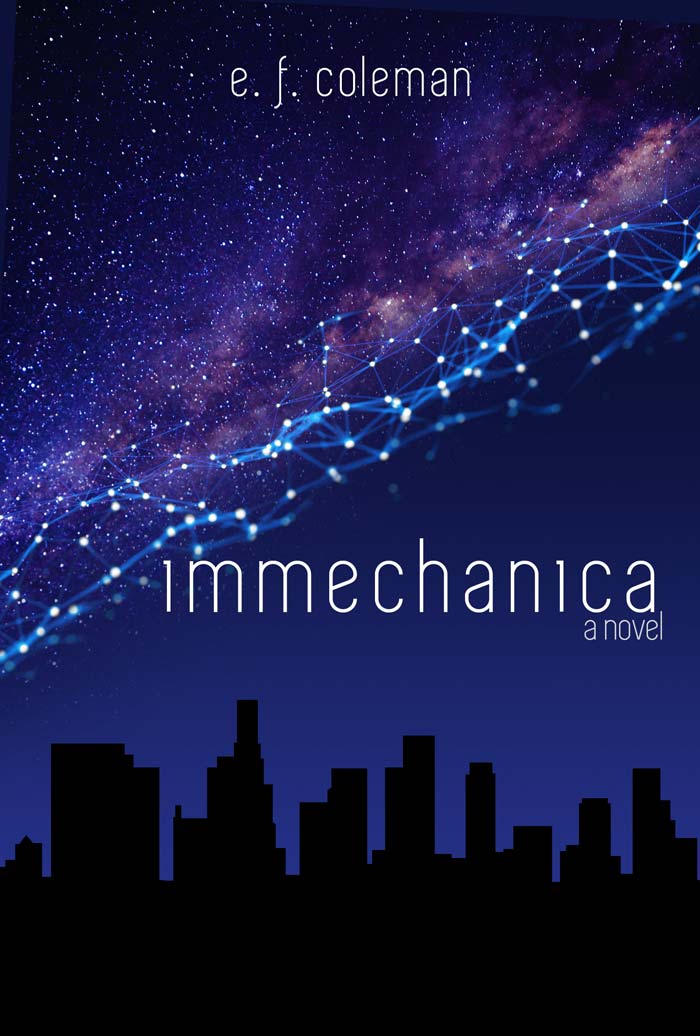
While we were there, we also officially broke ground on immechanica, our near-future, hard-SF post-cyberpunk novel. We officially started working on the background of the world in a laundromat whilst waiting for our clothes to dry.


A couple weeks ago, a random troll on social media informed me, with the cast-iron certainty of those who make their home on the rugged and inhospitable slopes of Mount Dunning-Kruger, that I would never accomplish anything because clearly my entire life revolved around sex. (I’d include a screenshot, but honestly I’ve only had one cup of tea so far today and I absolutely cannot be arsed to go find it.) The dude is, and I’m sure this will come as a surprise to nobody, a conservative Evangelical Christian, and he also exhibits this weird quirk where he (randomly) puts words in (parentheses) whenever he (writes).

I’ve long suspected that folks who do that sort of weird inappropriate (emphasis)—sometimes it’s random Capitalized words, sometimes it’s random ALL caps—have a defineable, quantifiable mental illness, because it’s so overwhelmingly common amongst a certain type of Internet troll—but I digress.

Anyway, the thing is, he’s not exactly wrong, but he’s so wrong he has accidentally looped all the way around to right, in a manner of speaking, kind of like what happens in that video game Asteroids where you go off one side of the screen and reappear on t’other.

But I digress.

Whilst we were there, we went out one evening to a very nice seafood teppanyaki dinner. Before we left for the restaurant, I took some PT-141 (bremelanotide), a potent aphrodisiac that works gangbusters on me.

It started to hit in the restaurant. We walked back to the AirBnB through the French quarter hand in hand, with Eunice whispering the most delicious filth at me the whole time. We got back, got naked, spread out a huge collection of sex toys all over the bed, and…

…started talking about the book.

Then I got out my laptop.

The next thing you know, it’s past 2AM and we’re both sitting on the bed naked, writing, the toys forgotten around us.


See, here’s the thing: I like sex. A lot. I mean, yeah, a lot of folks like sex, but I might like sex more than the average bear.

But when I say I like sex, I don’t necessarily mean I like having sex, or having orgasms, or doing the bumping of squishy bits. Don’t get me wrong, I like all those things, but what I really like, what really drives me, is that the impulse toward sex is, in a literal sense, the most fundamental expression of the creative impulse. I do not see how it’s possible to separate sex from creativity.

Which is kind of a big deal, because co-creation is my love language.

I like sex, yet two of my lovers are on the asexuality spectrum, and that’s fine. They’re both creative, and all creativity is sex.

When I look back over the things I’ve created and am creating, sex is intimately tied up in all of them, even if the connection isn’t necessarily visible from the outside.

I mean, yes, often it is. Sometimes it’s pretty heckin’ obvious.

But sometimes it’s not. There’s basically no sex in our novel immechanica, but the writing of it was a highly sexual act, even though it literally, not figuratively, prevented us from having sex.
Last time I visited my Talespinner, a lover with a sex drive so breathtakingly vast and deep she makes me look like a celibate monk in a monastery, I got an idea for a novel I’m working on that I’ve been stuck on for a while.

In the middle of a very kinky threesome with her other boyfriend.

So I did what anyone might do in that situation: I excused myself for about an hour or so and banged out about 1200 words on the novel whilst they carried on doing their thing. When I was done, I rejoined them and the kinky sexy festivities continued.

Which is kind of my point. Yes, my life is, from a certain point of view, very much about sex (and caffeine), because sex (and caffeine) drives my creativity. My normal background emotional state is basically happy and basically horny pretty much all the time. I turn sex and caffeine into words…even when those words aren’t about sex or caffeine.

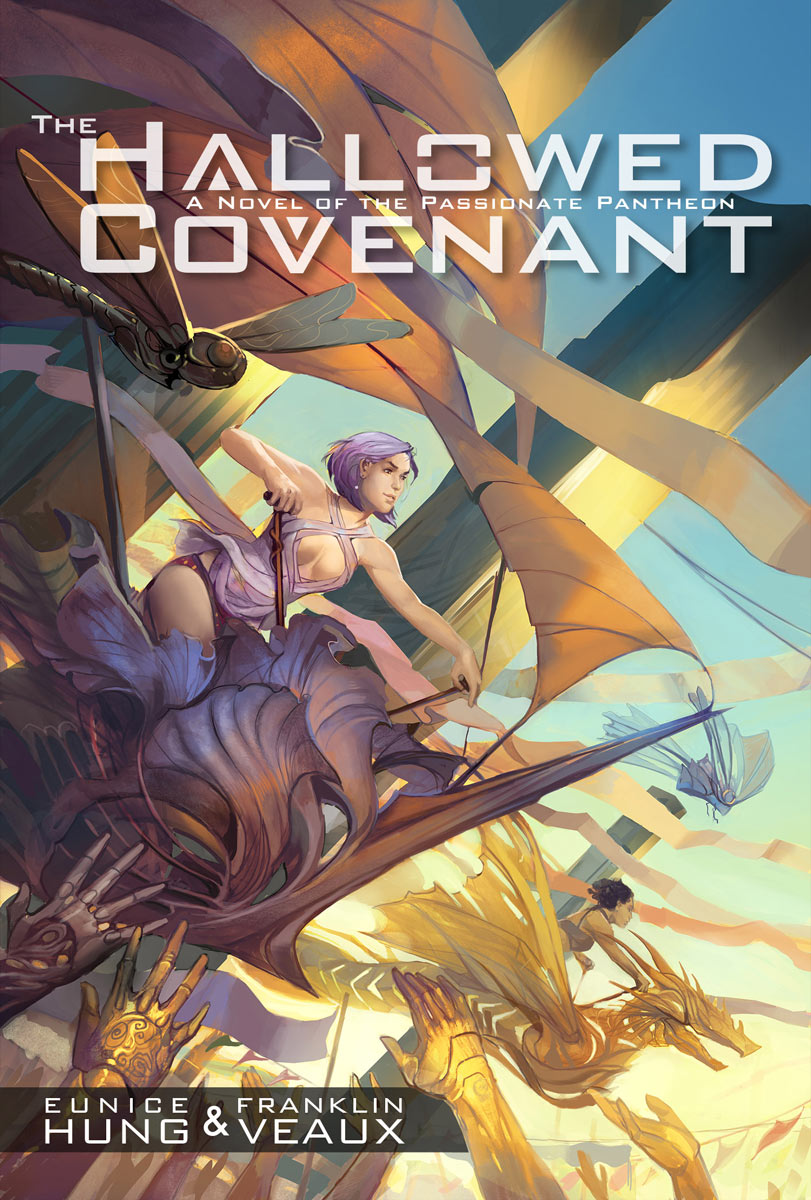
To be fair, they sometimes are; I write about sex rather a lot. But in the Passionate Pantheon universe, a series of novels that contain a lot of sex, we use sex to explore philosophy, radical agency, consent, justice, and morality. We’ve received feedback that sometimes people are left a bit confused by the novels because they skip over the sex, but important plot points, character development, and ideas happen during the sex—you can’t take the sex out of the stories and still follow what’s going on.


Right now, my Talespinner and I are writing a novel with the working title A Long Kiss Goodbye. It’s a hyperurban retrofuturist court-intrigue gangster noir. I’ve written before about how we created the book’s setting and plot during sex.

We’ve formally started working on it, and man, it’s been a ride. Indah Tan, our protagonist, is headstrong and stubborn and not at all afraid to tell us “no, I’m not doing that” when we try to write her scenes. I told my Talespinner it kinda feels like this book has three co-authors—her, me, and Indah—and of the three of us, Indah is the most well-armed. Still, it must be working, we’re already a quarter of the way through the first draft.

So yes, sex is an important part of my life. No, it’s not preventing me from accomplishing anything…it’s fueling the things I accomplish.

The United States is, by the standards of Western developed nations, Puritan and prudish to such a degree it’s almost self-parodying. There’s a deep, reflexive hatred and fear of sexuality wired into our collective consciousness, which of course makes us simultaneously fascinated by and repelled by sex. Our advertising is drenched in sex, but serious talk about sex and sexuality shocks us to our core.

In this kind of society, using the sexual impulse to fuel creativity is by itself almost an act of defiance.
Stories from the Past: Xtina

As I move into my sixth decade of life, I’m posting a series of stories from my past. This is part of that series.

We met at a point of transition in my life.

For nearly two decades, I’d been with my first wife, a woman I met in the late 1980s, in a time before the word “polyamory” was in circulation. My wife (now ex-wife) and I had no benefit of community or a roadmap for non-monogamy; we were making it up as we went along.

We started out, my ex-wife and I, in what would now be called a “polyamorous quad” with my best friend (who was also my wife’s lover) and his girlfriend (who I had a crush on, and who was a snogging friend of mine). Like many people back then, my ex-wife and I had a veto relationship, an agreement that if either of us became uncomfortable with the other’s lover, we could demand a breakup.

I never used my veto. My ex-wife did.

Then I met a woman named Shelly Deforte, a woman who blew me away with her intelligence and insight.

Shelly asked me out. I said yes. Very quickly, Shelly chafed under the idea of veto, the Sword of Damocles hanging over our relationship, a weapon terrible and cruel, always there, always looming like a dark shadow over anything we built together, ready to pierce our hearts without warning. She saw my ex-wife veto another of my lovers, saw what it did to us, and she was rightfully appalled. Veto, she said in many conversations that extended long into the night, was intrinsically destructive, a weapon barbaric and vicious, one that eroded trust, destroyed all hope of a building anything stable and meaningful.

Her ideas, which went straight at the root of my relationship with my ex-wife, forced me to see things in a completely new way, to reconsider the impact of the arrangement I’d made with my ex-wife without any input from anyone else. As you might imagine, this drove the relationship with my ex-wife to the brink of ruin. Even though my ex-wife had more “outside” lovers than I did, and for longer, from earlier in our relationship, she still felt threatened whenever I took a new lover.

It was against this backdrop that I went to a friend’s birthday party.


The place was absolutely jammed, perhaps fifty people packed shoulder to shoulder in an apartment, drinking from plastic cups, chatting while they scarfed down handfuls of potato chips.

I didn’t know anyone there except the host.

That’s when it happened.

Hollywood movies call it “love at first sight,” though of course that’s nonsense. You can’t love someone you don’t know. Biologists talk about major histocompatibility complexes and reproductive compatibility, but that doesn’t give you any sense of the urgency of it, the immediacy, the overwhelming knock-your-socks-off emotional power of it that stops your heart in your chest and makes the rest of the world pale and insubstantial.

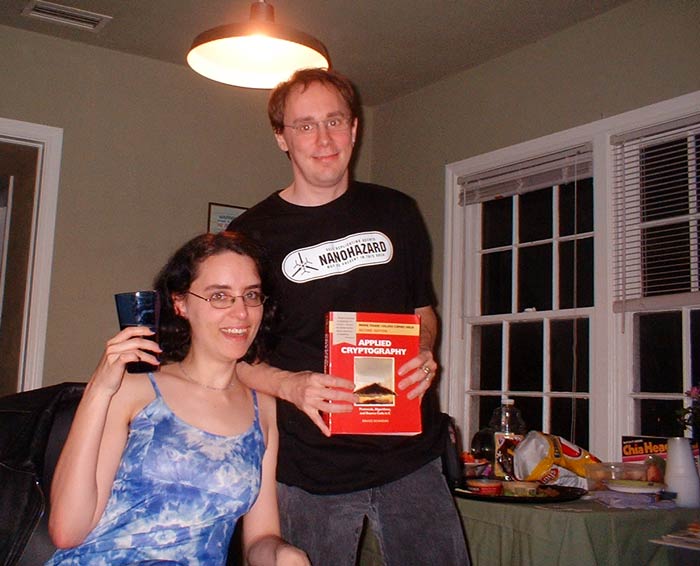
She was reading a book on applied cryptography. We saw each other. The universe (or major histocompatibility immune molecules, it’s hard to tell from the inside) sang a song of “Yes!” The host took a photo.

I’d never before experienced anything even remotely like it. For the first time, I understood why people believe in “soulmates” and “twin flames” and “love at first sight,” even though those things aren’t real. Those emotions? Heady stuff.

So we started dating.

None of this is new to anyone who’s read my blog for a long time. You’ll find fragments of this story all through my blog if you look—the good, the bad, the deeply stupid and bitterly regrettable. Funny thng about life: your collection of regrets always increases, never decreases.

She introduced herself as Xtina. We started dating. She and Shelly started dating. She and Shelly stopped dating, for reasons I should have paid more attention to.

“Isn’t it funny that Xtina still thinks she gets to be with you?” Shelly said. “Stop seeing her.”

The woman who argued passionately that veto is and always will be wrong, is and always will be morally inexcusable, is and always will be nothing but evil, demanded a veto. The man who’d come to believe her, to believe that veto is in fact a form of intimate partner abuse, complied.


I saw her only once after that, years later, in Portland, I don’t know why. I messaged her out of the blue. She agreed, more charitably than I deserved, to meet at a bar.

I choked.

We said little. In the car on the way back home, I broke down.

For years after Shelly vetoed Xtina, I did everything in my power to convince myself it was all for the best, that Xtina and I were not compatible, that it never would’ve lasted anyway. It even fueled a deep and lingering distrust of instant connection. It’s often the case that we will employ these sorts of psychological self-deceptions to avoid acknowledging the shitty things we do to people who don’t deserve the shitty things we do.

I have done shitty things in my life, of course. We are all made of frailty and error, which is why it’s important that we learn to forgive one another’s transgressions with grace, at least insofar as we can without compromising our own ethics.

I have made shitty choices. There are two shitty choices I’ve made that I would, were it possible, give almost anything to be able to make again. One was to agree to the veto of Xtina, the other to start dating someone I never shoud’ve dated in the first place.

I still think about Xtina way more than you might expect, considering I ended the relationship decades ago.

How to Make a Christian Movie that Doesn’t Suck

A couple of days ago, I saw a question on Quora asking why Christian movies always suck. Thing is, Christian movies don’t (necessarily) suck. American Evangelical propaganda movies tend to suck, but there are some extraordinary Christian movies out there, and I say this as an atheist.

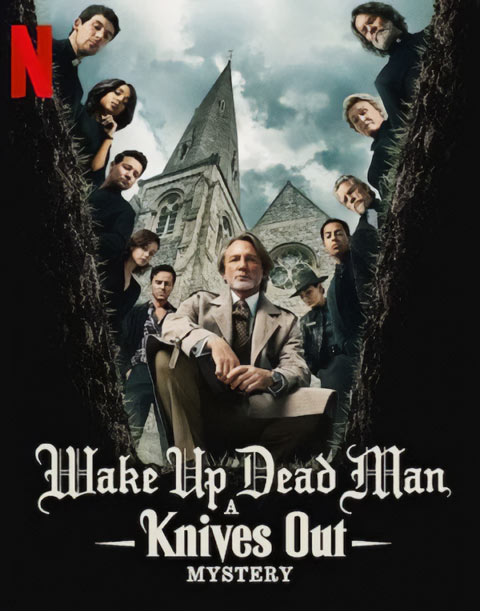
I refer, of course, to Knives Out 3: Wake Up Dead Man, which is a brilliant, entertaining, and very Christian movie—probably the best Christian movie of the last two decades.

“But Franklin!” I hear you say. “Wake Up Dead Man has an atheist protagonist! The antagonist is a corrupt religious preacher who builds a dysfunctional cult of personality around himself! This is in no way a Christian movie!”

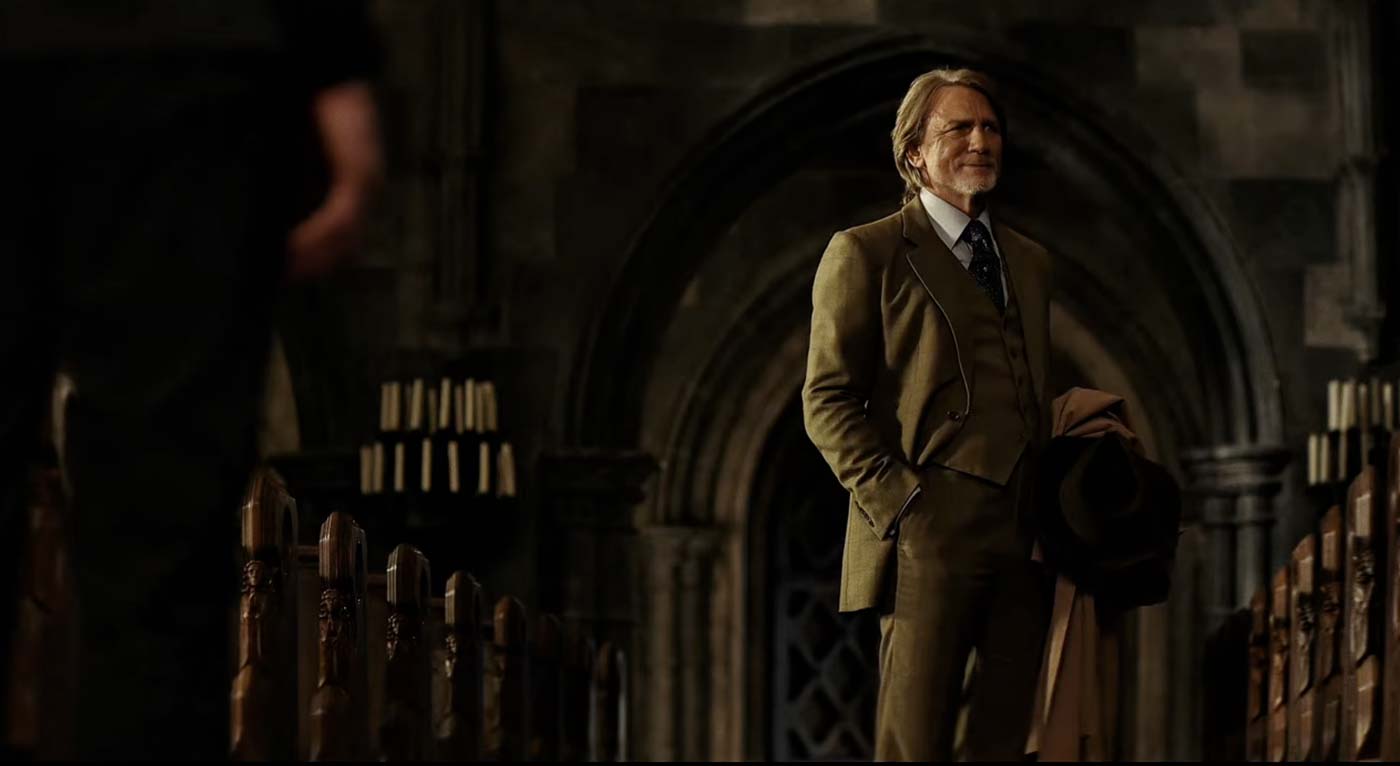
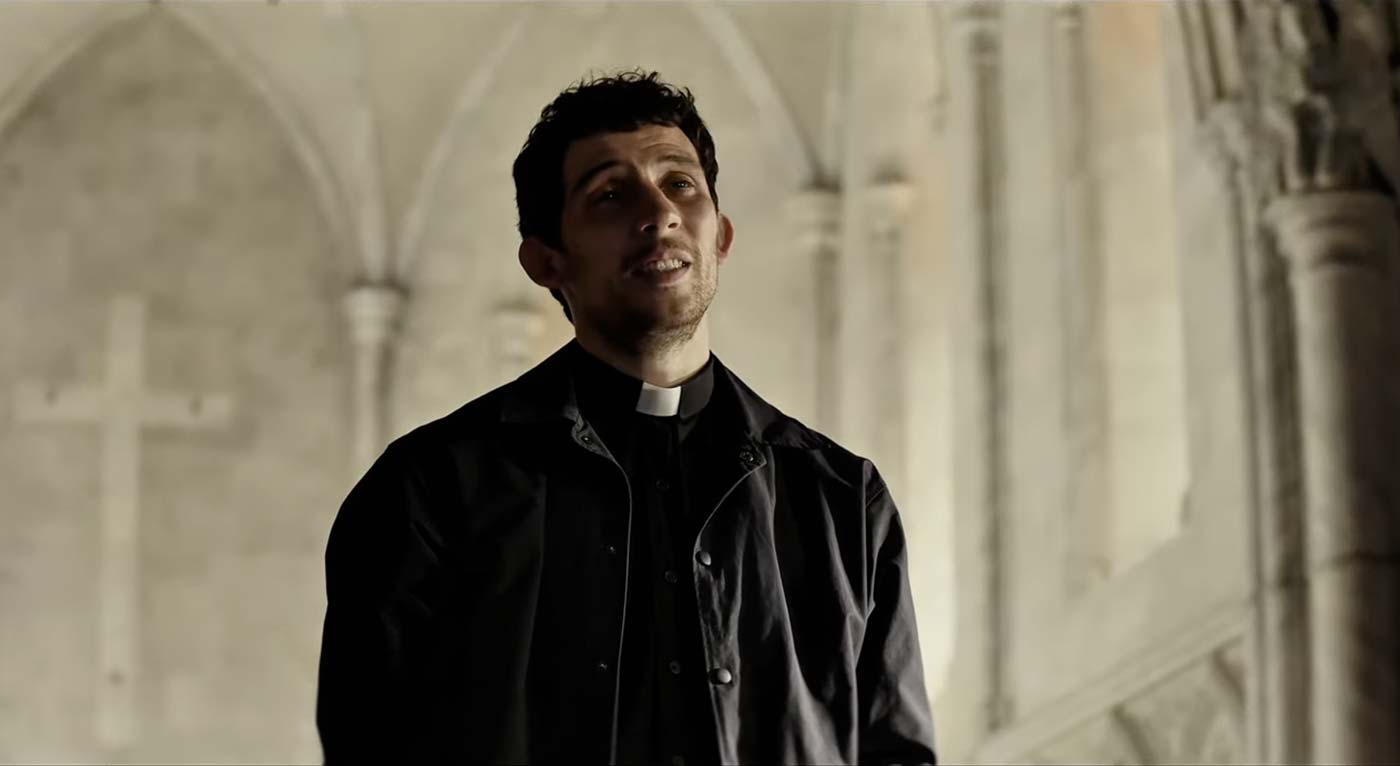
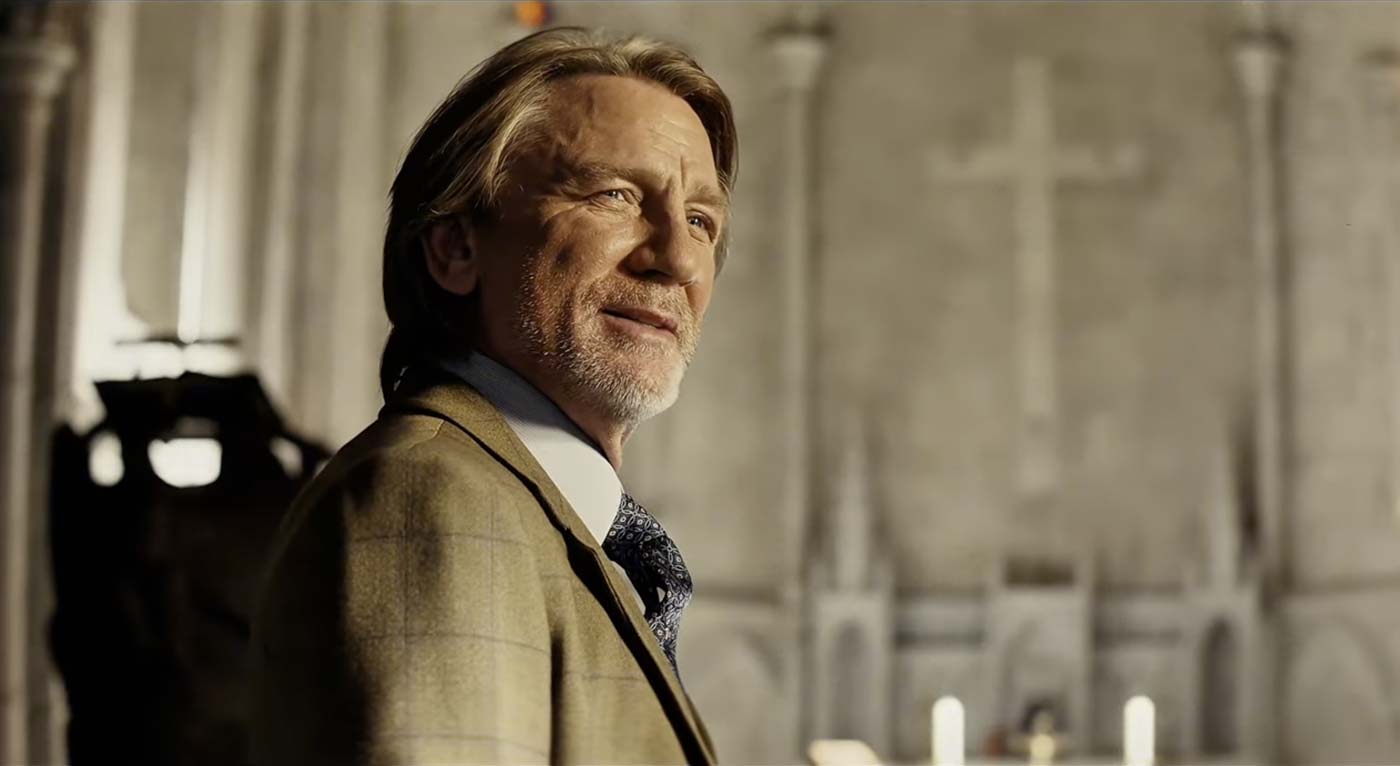
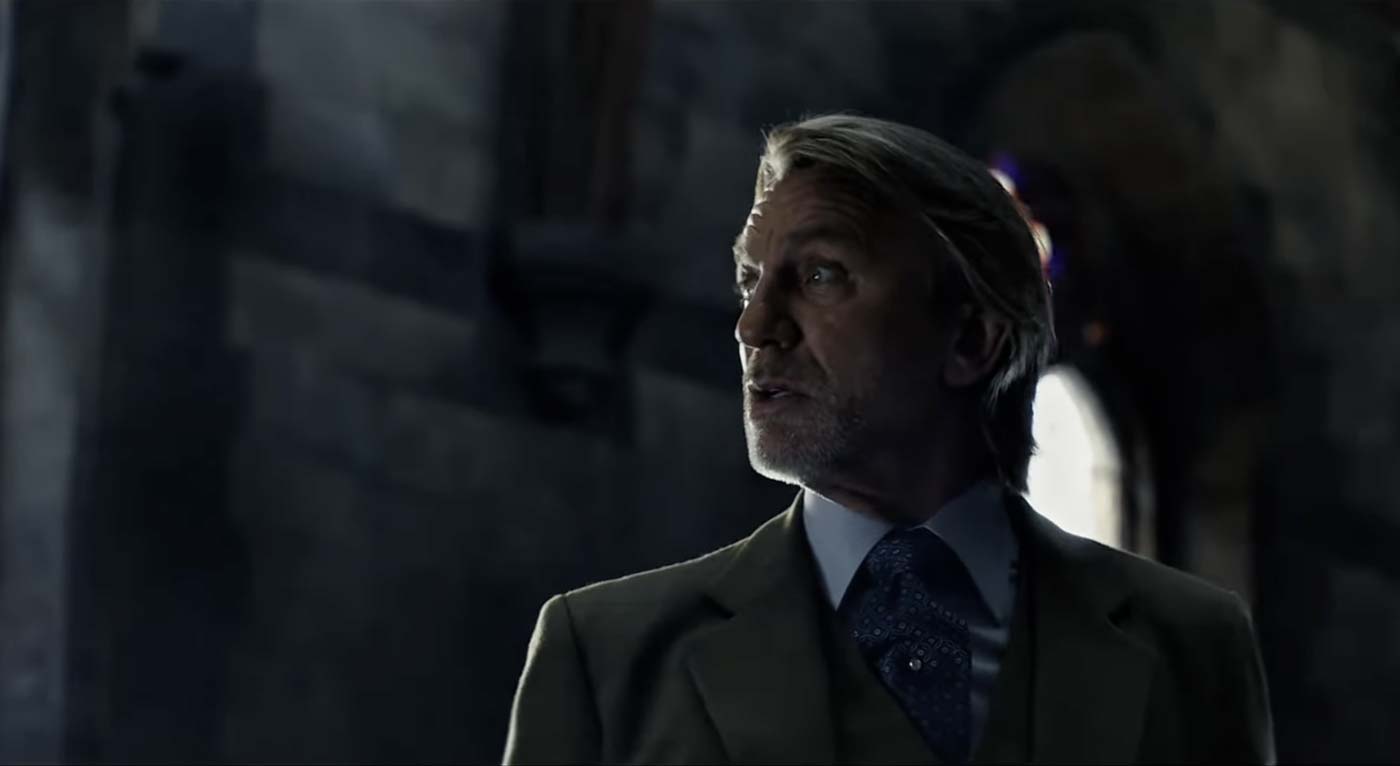
Ah, but watch this scene, where our atheist protagonist, Benoit Blank, first meets another major character, Father Jud Duplenticy, who is sent out to the corrupt priest’s parrish:

The entire movie has some absolutely marvelous dialogue, but this scene in particular stands out. When Blank enters, and Father Jud asks him what he thinks of the church, he has something pretty scathing to say:

Well, the architecture, that interests me. I feel the grandeur, the mystery, the intended emotional effect. And it’s like someone has shown a story to me that I do not believe. That is built upon the empty promise of a child’s fairy tale, filled with malevolence and misogyny and homophobia. And it’s justified untold acts of violence and cruelty while all the while, and still, hiding its own shameful acts. So like an ornery mule kicking back, I want to pick it apart and pop its perfidious bubble of belief and get to a truth I can swallow without choking. Telling the truth can be a bitter herb. I suspect you can’t always be honest with your parishioners.

Not a very Christian bit of dialogue, right?

Ah, but wait. Here’s Father Jud’s reply:

You can always be honest by not telling the unhonest thing. You’re right, it’s storytelling. This church isn’t medieval. We’re in the middle of New York. It has more in common with Disneyland than Notre Dame. And the rites, the rituals, the costumes, all of it, you’re right, it’s storytelling. I guess the question is, do these stories convince us of a lie, or do they resonate with something deep inside us that is profoundly true, that we can’t express any other way except storytelling?

I, as an atheist, found Father Jud’s answer quite moving.

But it goes so much further than that. This scene is a masterclass of cinematic storytelling, of show rather than tell. You could teach an entire course in composition and visual design just from this one scene. Let’s go through it, shall we?

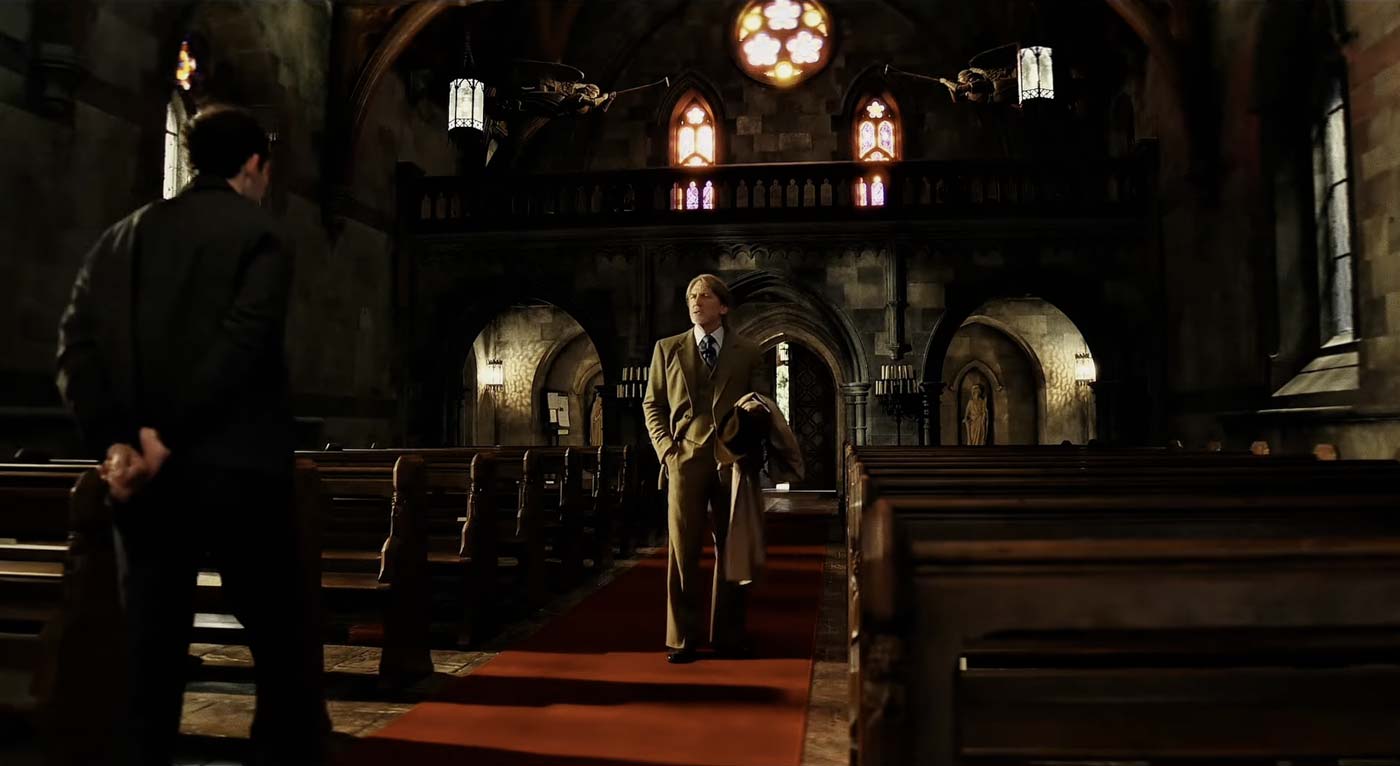
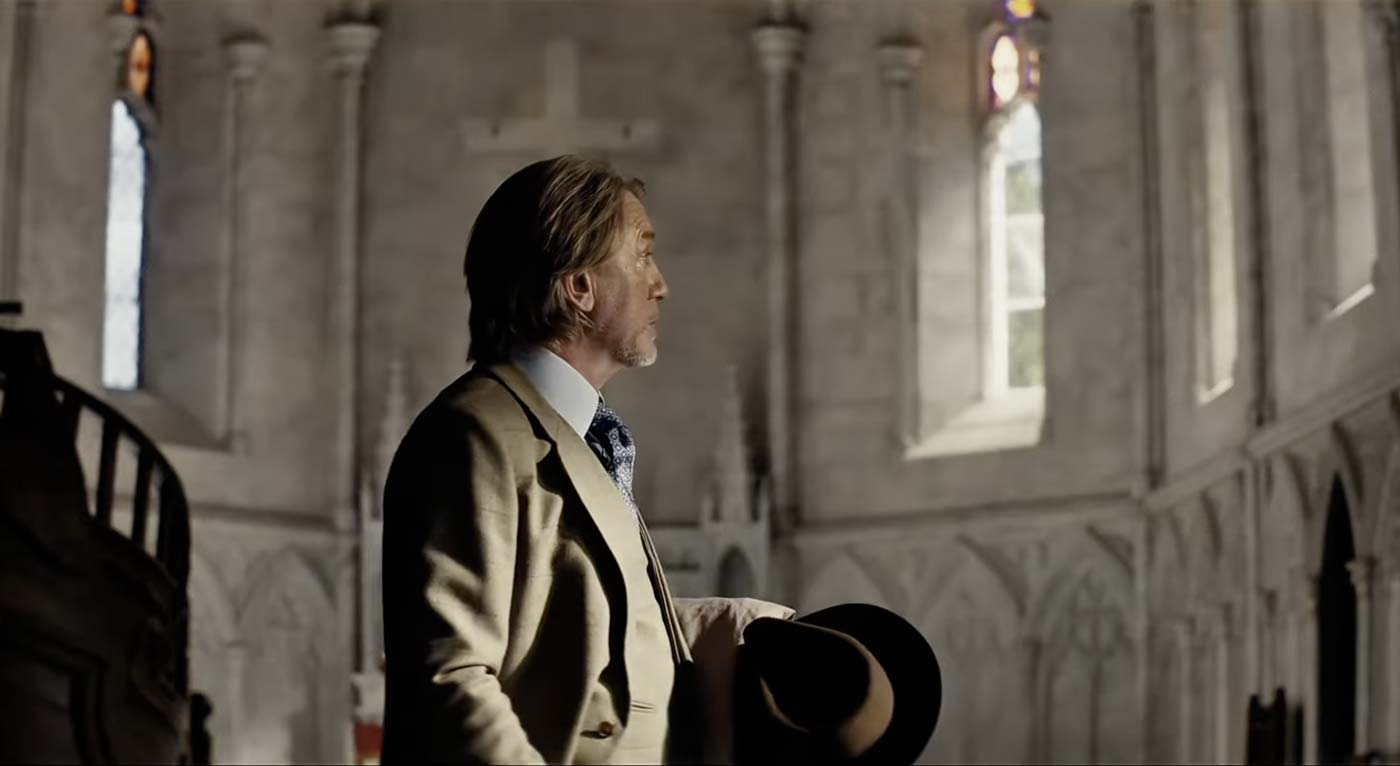
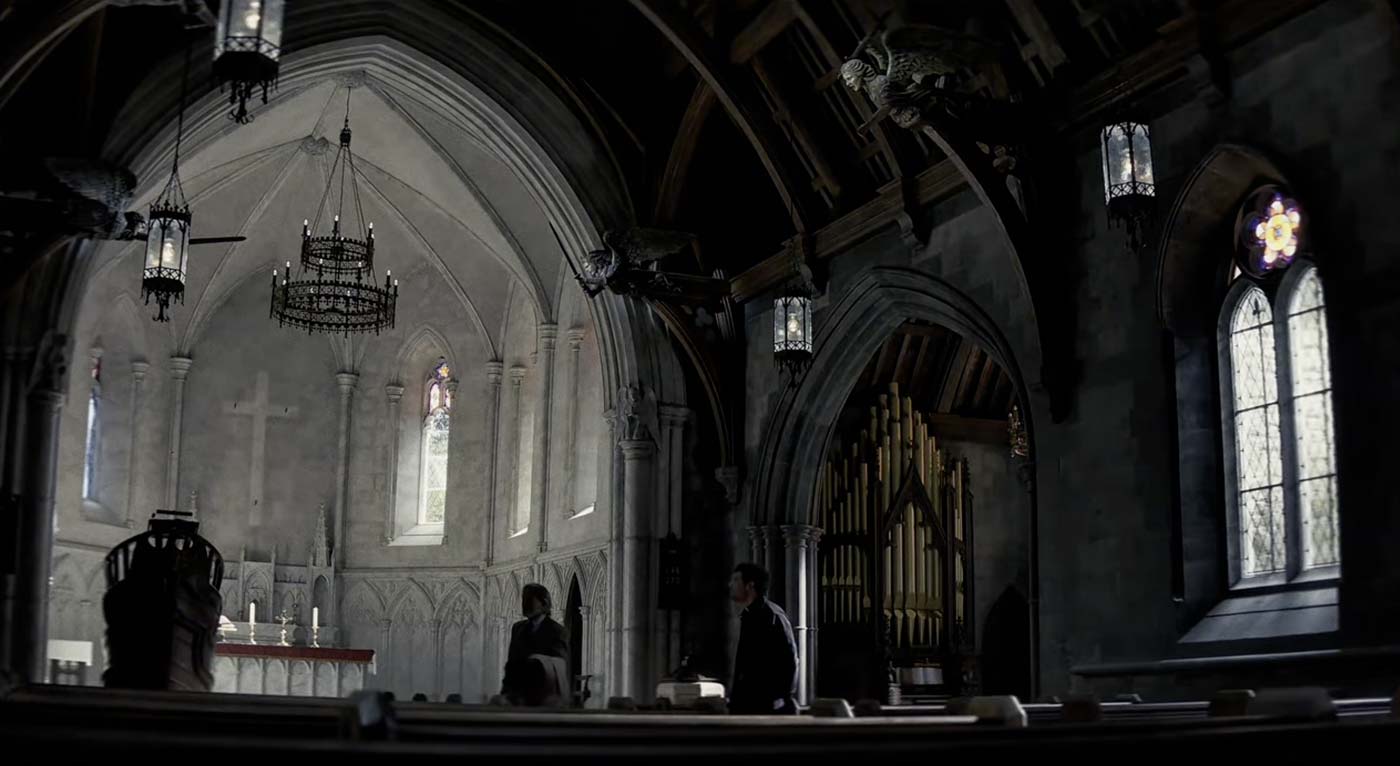
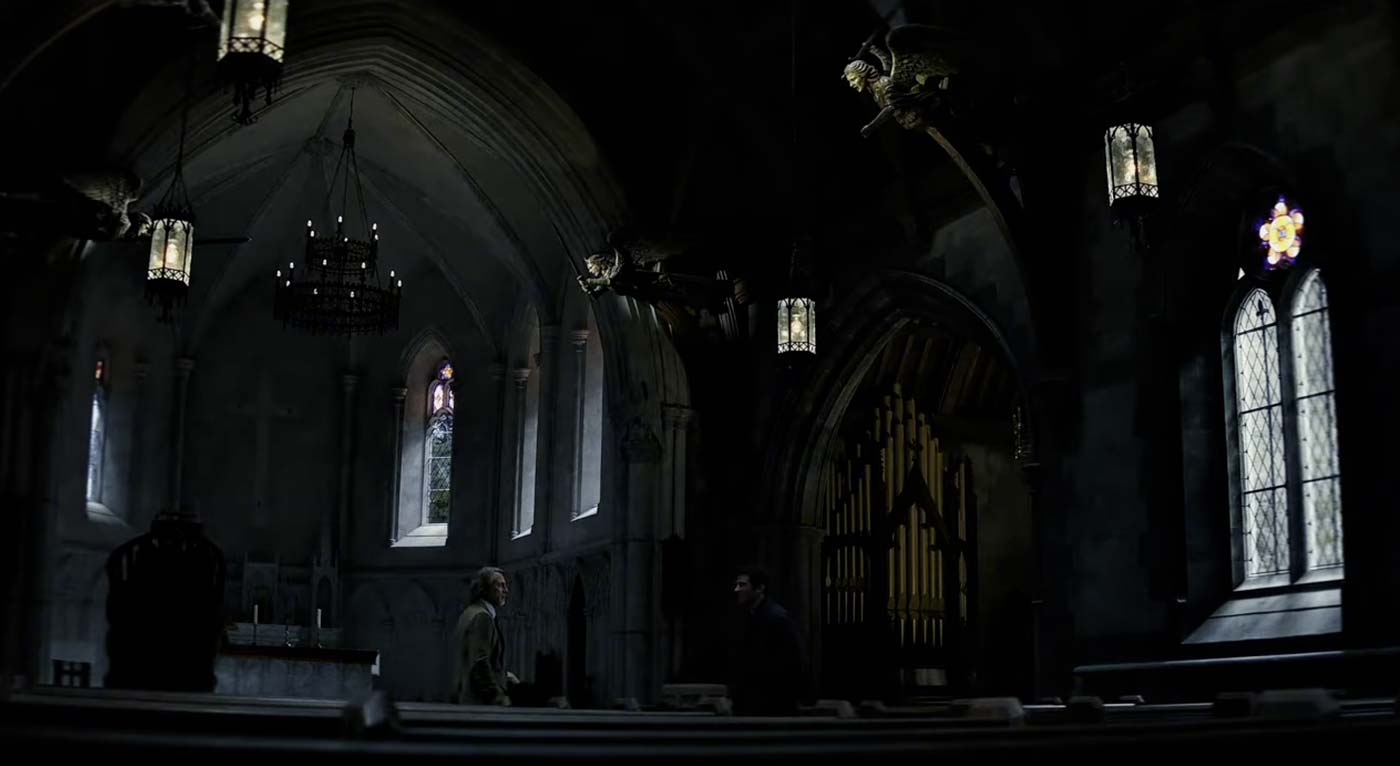
At the start of the scene, Benoit Blanc, our atheist, walks into the church. The door is behind him; the aisle down through the center of the church is shrouded in darkness. He, as he says at the scene’s start, “worships at the altar of the rational.”

He’s confident, self-assured, secure in his position.

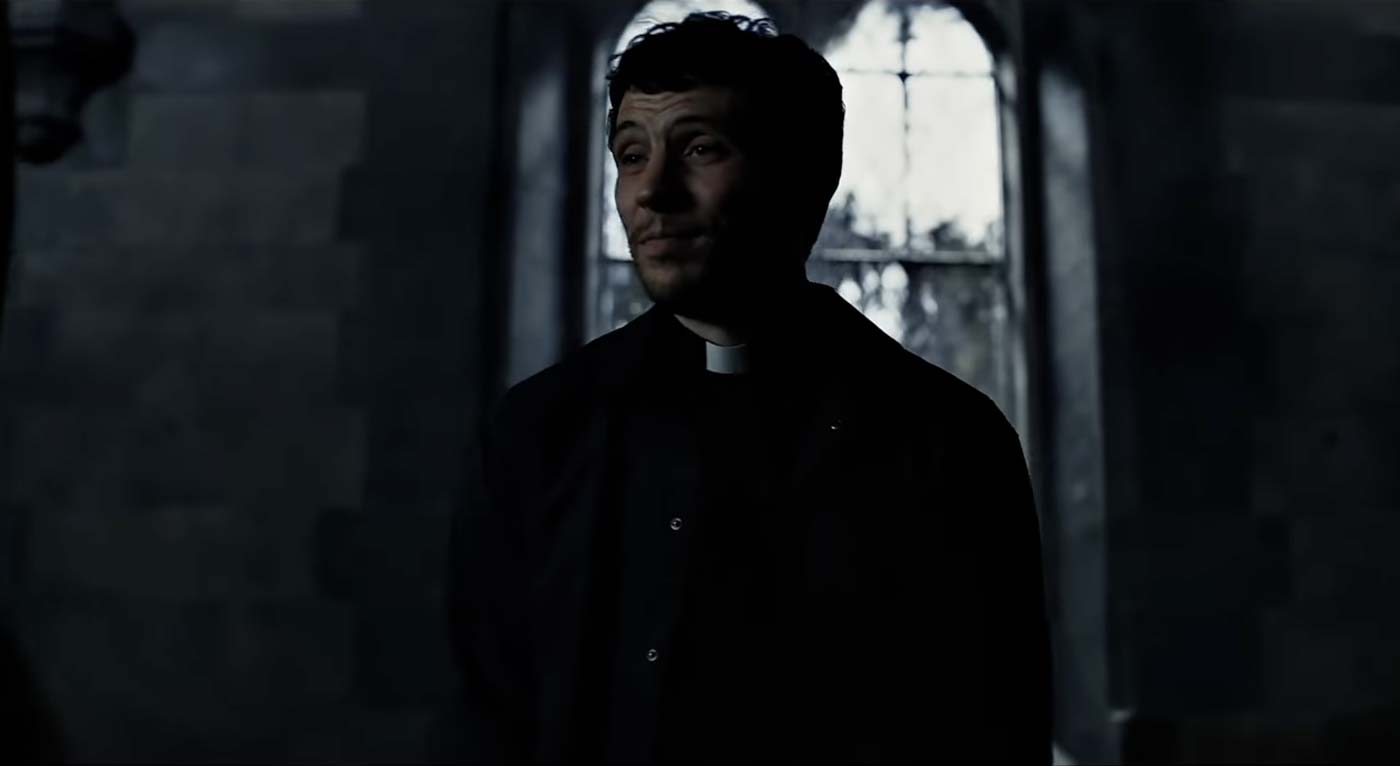
Father Jud stands facing him, literally rather than figuratively standing in the light.

Father Jud approaches Benoit, asking him questions about himself, listening to his reply, meeting Benoit where he is.

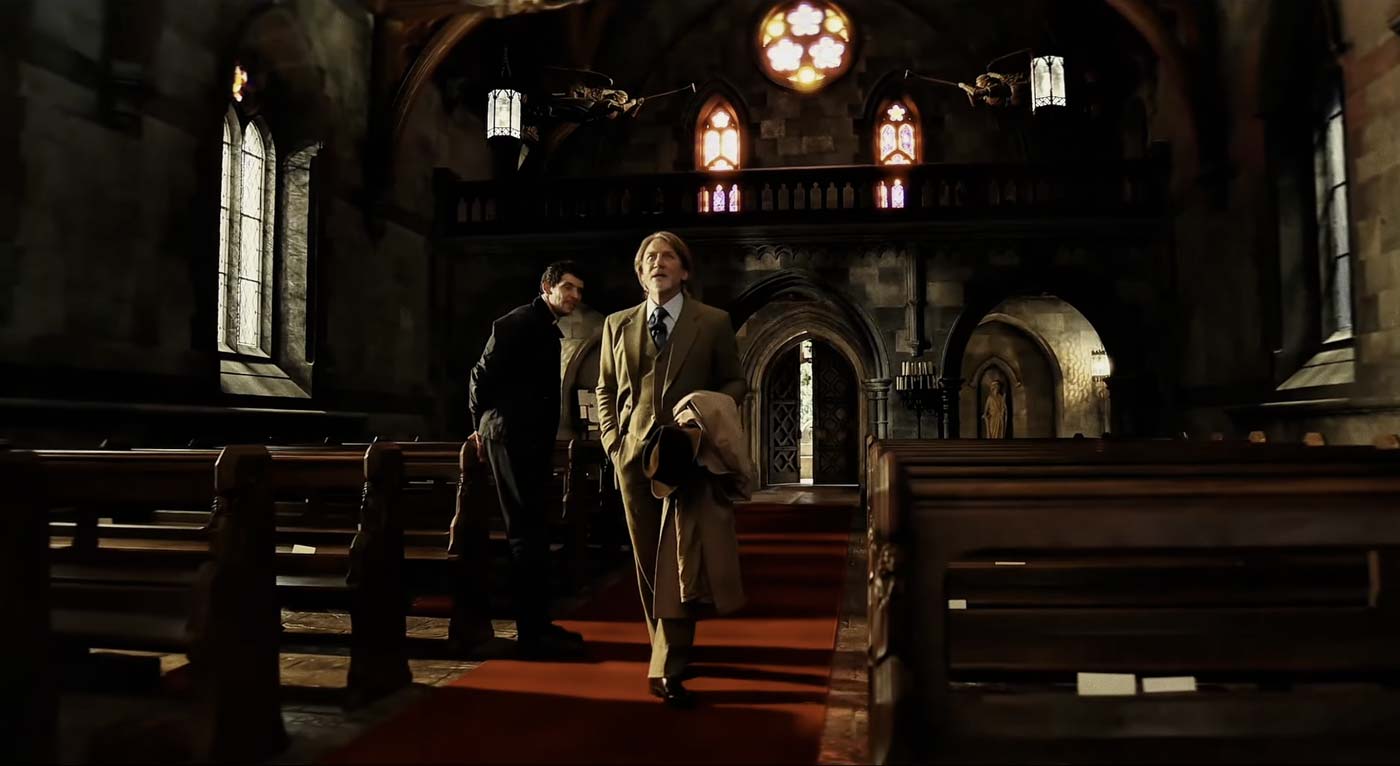
Benoit walks past him. At this point, the two of them, atheist and reverent priest, have traded places.

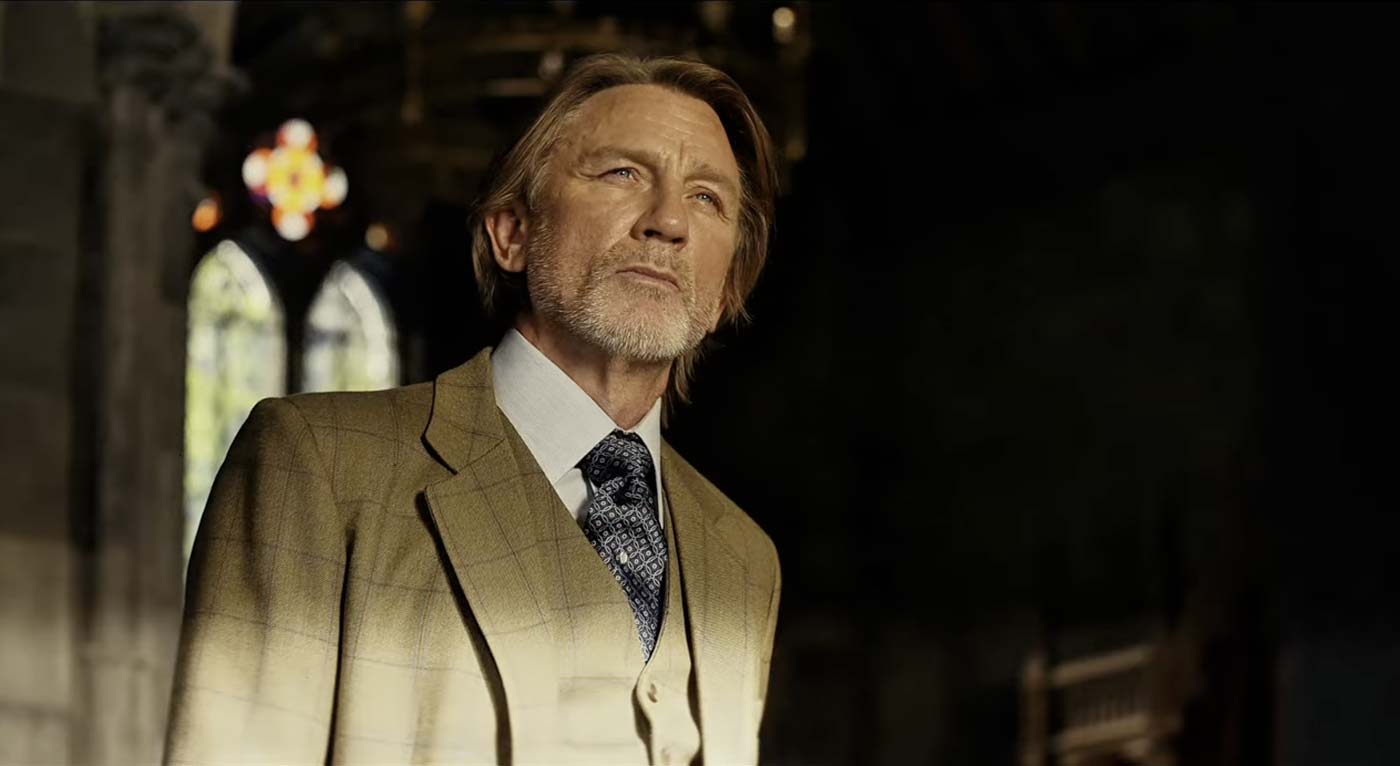
“How does all this make you feel?” Jud says. At this point, Jud and Benoit have traded places, and you’ll see some astonishingly good face acting on Daniel Craig’s part.

Craig (Benoit Blank) asks him, “truthfully?” “Sure,” Jud replies, giving him permission to be frank. Benoit launches into his tirade: “I feel the grandeur, the mystery, the intended emotional effect. And it’s like someone has shown a story to me that I do not believe. That is built upon the empty promise of a child’s fairy tale, filled with malevolence and misogyny and homophobia.”

While he speaks, pay attention to what happens around him. The formerly bright part of the church grows dark. The saturation is reduced, leaching the color from the scene. His words spin a veil of darkness that fills the space around him.

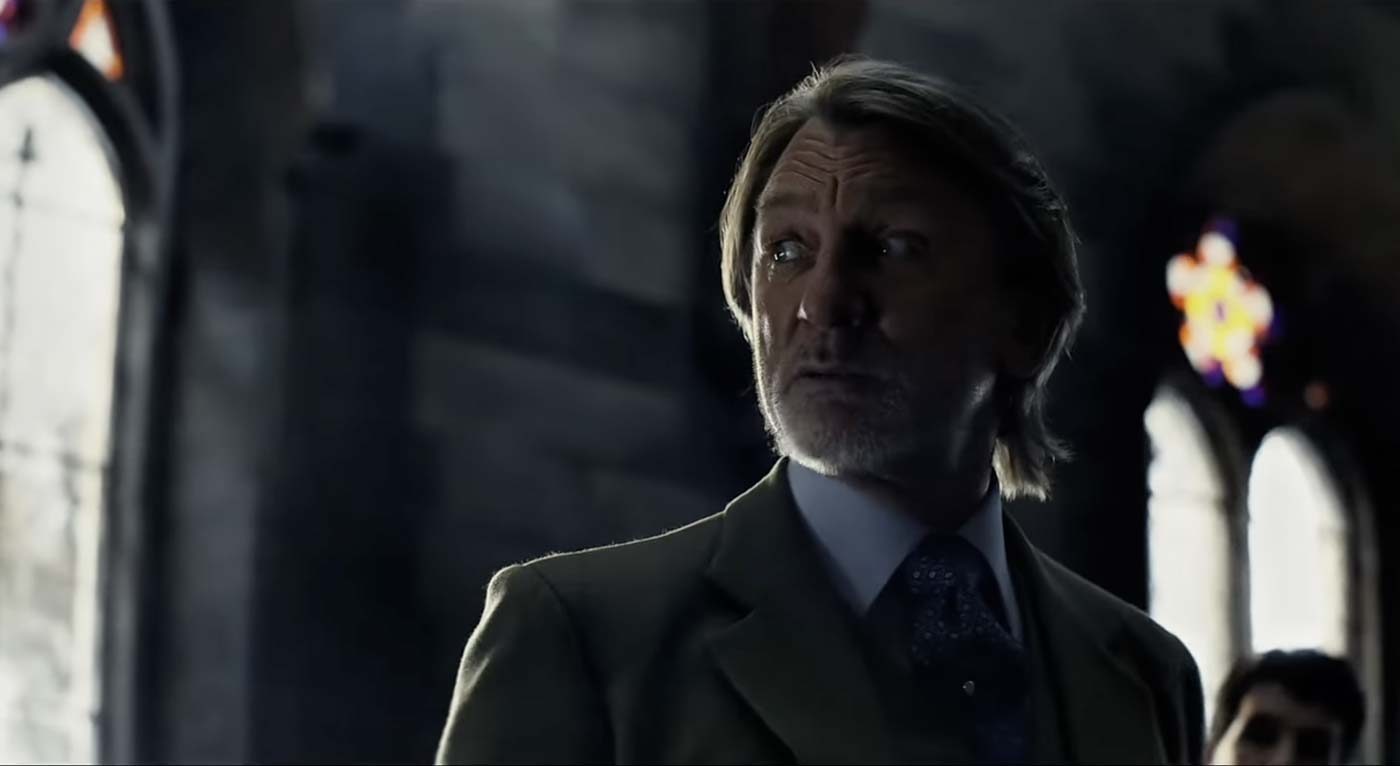
More incredible face acting from Craig as his words become more biting, more angry: “And it’s justified untold acts of violence and cruelty while all the while, and still, hiding its own shameful acts,” every word delivered like a bullet from a gun.

As he speaks, there’s some amazingly clever camera work. Benoit in the foreground, Father Jud in the background, the camera moves around so that Benoit, again literally and not figuratively, eclipses the pious priest, completely removing him from view. Benoit is not talking to Father Jud. He’s not even facing Father Jud. He’s talking to us.

It’s subtle but oh so well done, and it is absolutely intentional.

At the end, Benoit, realizing he’s said probably more than he intended to, and with more venom, offers to leave. Father Jud tells him, no, stay, I told you to be honest.

At this point, the entire church is shrouded in darkness. Father Jud isn’s standing in the light anymore. He and Blanc are cloaked in shadow, the darkness of Benoit’s words given physical form.

What is happening here? Father Jud has literally, not figuratively but literally, joined Benoit Blank in the darkness. He’s met Benoit where he is. He hasn’t stood above him, talking down to him. He is there, on the same footing, in the same place as Blanc. He pauses for a moment, and then he begins to speak.

What is the first thing he says? “You’re right.” He reiterates Benoit’s opening thesis: It is storytelling. The church itself, its physical form, is a story, and a false one, an illusion of a Medieval church built in modern times, as much an ancient cathedral as Cindarella’s castle is a real fortification.

Watch what happens as he speaks:

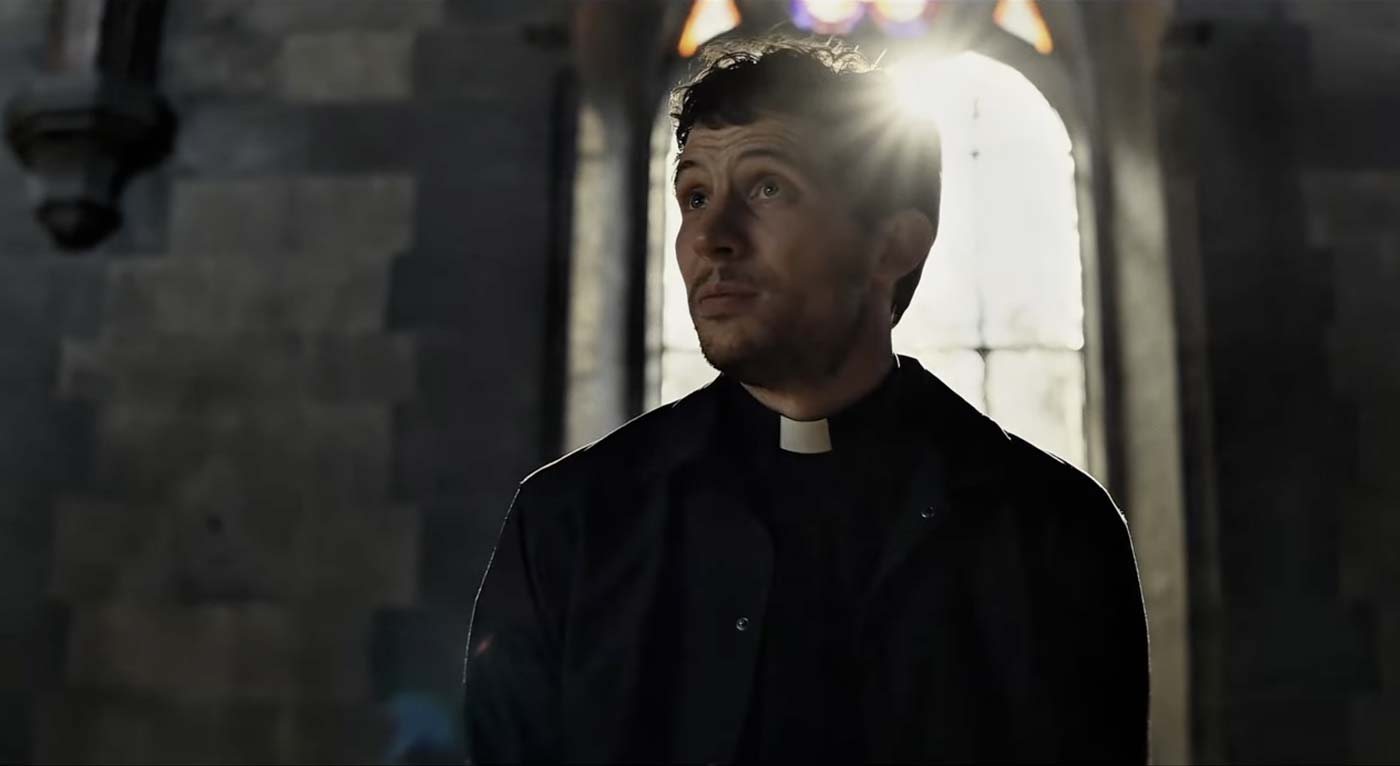
The light returns, shining from above him, almost passing through him. And when he’s finished…

…the atheist stands illuminated, bathed in the light of his words.

Father Jud doesn’t preach at the atheist detective from some higher plane. He meets Blanc where he is, he stands with him, he acknowledges the parts of Blanc’s argument that he believes are true, and then he offers a new way to interpret Blanc’s central thesis—all without condescention, judgment, or self-righteousness.

I am not a believer, but this scene still gave me chills. It’s immensely powerful. It resonates. It vibrates. This is masterful visual storytelling.


The reason people don’t recognize Wake Up Dead Man as a Christian movie is that too many of us have been conditioned by Christian™ movies, movies made by and for low-information, insecure American Protestant Evangelicals.

These movies are like the Chick tracts I used to collect back when I collected religious propaganda. They’re cartoons for the uneducated, caricatures in which every atheist is a slavering buffoon, every religious person clever and righteous, told to an audience so insecure in its faith that no atheist can ever be allowed to make any point and no religious character can ever be permitted the slightest doubt or fault.

American Evangelicals are a weird breed, convincing themselves they’re the persecuted ones at the same time they deliver a venomous mix of hatred and bile to all those who are not like themselves. They believe, they actually believe, that university professors demand their students sign statements renouncing Christianity in order to get a passing grade, then go home and drool over all the people they’ve deconverted that day.

By their standards, Wake Up Dead Man is not A Christian movie, because Christian movies have to look a certain way, a way that seems written by a drooling eight-year-old who’s never read more than three Bible verses for a Sunday School class.

There’s another scene that drives this point home even more. Benoit Blanc and Father Jud are hot on the heels of the murderer, a murderer they believe they will be able to identify if they can get one key piece of information from the church secretary, Louise. They’re this close to finding the killer. And, well…

…Louise reveals that her mother is in hospice, dying of brain cancer, and she fought with her mother, and her mother refuses to speak to her.

This scene broke me.

Father Jud is working with Detective Blanc to uncover a murderer, a high-stakes mission, but when faced with someone suffering right now, someone he has the power to help right now, he stops what he’s doing to care for her.

This is the absolute best of Christianity, the thing Christianity promises but all too often fails to deliver. It’s not highlighted, it’s not the centerpiece of the movie, it’s not delivered in a “look how good we Christians are, let’s rub it in the face of the callous evil atheists,” it’s just a thing that happens, because of Father Jud is who he is: a flawed but sincere exemplar of loving kindness, not a Christian™ (or an atheist) caricature of Christianity.

A Christian™ movie will never, can never deliver a scene like this.

Benoit Blanc ends the movie as he started, an atheist. There’s no scene in this movie like there is in every Christian™ movie where the atheist character falls to his knees and accepts Jesus Christ™ as his Lord and Savior™. That’s not the point.

The religious figures in the movie are not perfect. One of them is the film’s primary antagonist. That’s also not the point.

The point is, this movie delivers a blueprint, a template of the best that Christianity has to offer: kindness, humility, calm and patient virtue. It is without question a Christian movie, deliberately so, a Christian movie built and delivered with warmth and compassion. A Christian movie even atheists can enjoy.

That makes it far more effective than any Christian™ movie can ever be.

Stories from the Past: Center for Bioethical Reform

As I move into my sixth decade of life, I’m posting a series of stories from my past. This is part of that series.

Way back in the dim and distant year of 1992, I started my first paying job in the world of graphic arts, working for a small graphic arts studio in Tampa, Florida called Printgraphics.

My job involved using this newfangled software called “Photoshop” from this obscure company called Adobe to do desktop image editing. Printgraphics had this really fancy gizmo called a “color laser copier” that could make—get this—full color photocopies, one of the first such devices in all of Florida, and it let us charge extortionate rates for something almost nobody else could do: not only could we make color photocopies of something, we could even make printouts from a computer in full color by means of a PostScript interpreter that connected a computer to the CLC, for which we charged $16 a page (if you wanted letter-sized printouts) and almost double that (if you wanted larger printouts).

The CLC also acted as a color scanner, allowing us to do scans at considerably less expense (and considerably less quality) than a drum scanner. We could even scan slides and transparencies!

We also had contracts with print shops to do offset printing and posters and things like that…heady stuff in the early days of desktop publishing that seemed miraculous at the time. This equipment was rare, expensive, and cutting-edge, and people who could use it were rather thin on the ground.

About a year or so after I started working there, a polite, well-dressed man came into the shop asking if we could produce some placards and advertising posters for him. He was cagy about what he wanted, except to say that he was looking for prices on laminated full color materials that could be used for “promotional purposes.” They needed to be weatherproof, he said, and full color.

I told him I’d put together prices for him and he left. He came back a day or so later with a bunch of 35mm slides that, he said, he wated us to scan to make the posters from.

The slides all showed horrific, gruesome images of aborted fetuses, usually late-term abortions of fetuses with grotesque physical defects.

That’s when he came clean about who he was. He said he worked for a “pro-life” group called the Center for Bioethical Reform, a shock group that got a ton of media coverage for picketing women’s health clinics with grotesque, gruesome signs and banners showing the horrors of “infant genocide.”

He offered quite a lot of money if we would make these signs for him, a lot more than I’d quoted.

I told him I wouldn’t do the work for him, and asked him to leave.

Why Grammar Matters (it’s not what you think)

Image: Devon on Depositphotos

Every so often, I find myself involved in conversations about grammar online. Every time this happens, without fail, someone will trot out some variant of the old saw “grammar is elitist. Who cares if you have every apostrophe or period in the right place? As long as you can make your idea understood it’s fine.”

Inevitably it’s someone with terrible grammar who says this, of course, but no matter.

There are a bunch of standard responses to this argument, but they all miss an important point.

The standard responses are typically something along the lines of “using proper grammar helps make sure your idea is understood,” or “using proper grammar gives you credibility,” or “not using proper grammar makes you look like an uneducated hick, and why should anyone pay attention to an uneducated hick?” All of which are true, but all of which miss an important point, and play into the “grammar is elitist” narrative.

The mistake people make when they talk about the value of proper grammar is in focusing on the person doing the communicating, not the person receiving it.

The most compelling reason I know to learn and understand grammar isn’t about making yourself understood. The real value? Preventing you from being played for a fool.


I spend quite a bit of time tracking down scammers, spammers, malware writers, and other lowlife vermin on the Internet. The Internet started out as a hack on top of a kludge on top of some interesting ideas by brilliant but naïve people who wanted to make a better world but didn’t think about the way the tools they were building could be put to evil use, so it was built from the ground up with no mechanisms for authentication, identity verification, or security. Several fundamental decisions made very early on, when there were only about twenty sites on what would become “the internet” and everyone who had an email address knew everyone else who had an email address, would later make the Internet a haven for criminal activity. (In fact, I’m writing a nonfiction book that talks about this right now.)

The Internet is swarming with scammers and con artists. Many of them don’t speak English natively; in Nigeria, for example, Internet frauds are the nation’s #4 source of foreign income.

Knowledge of English grammar is one of the first, best defenses against being scammed and conned.

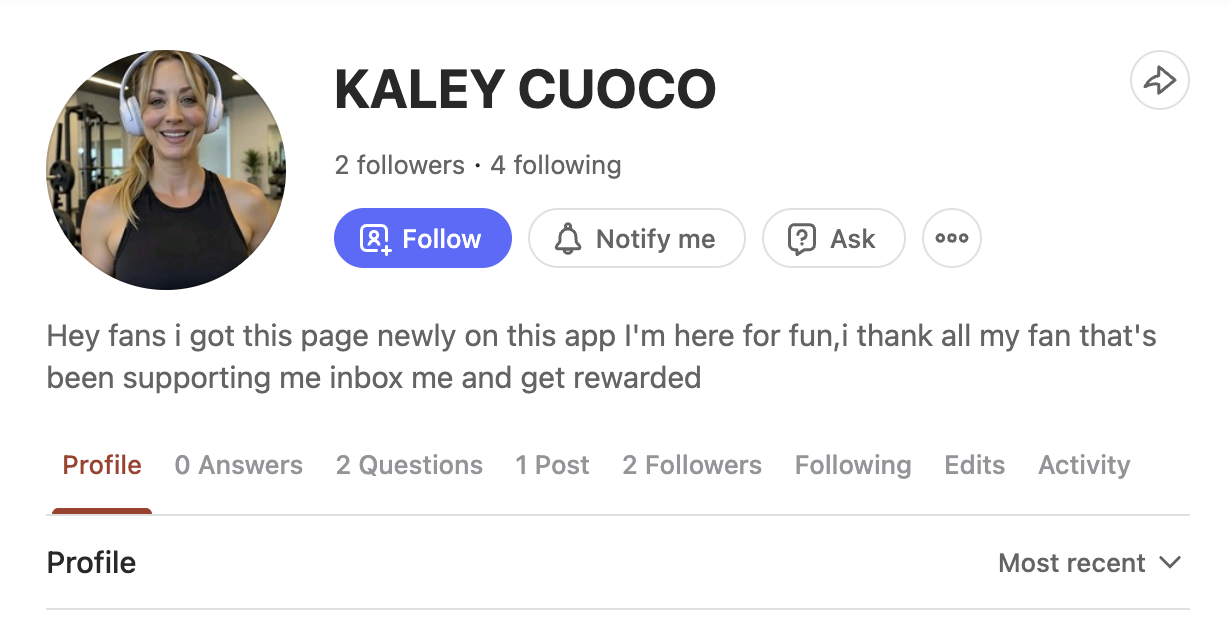
Consider this, a fake Quora profile made by a romance scammer likely somewhere in West Africa:

This is a bog-standard celebrity impersonation scam; needless to say, this account is not owned by TV actress Kaley Cuoco. The man (it’s almost certainly a man) who created this profile most likely speaks English as a second language. Certain tells (“I got this page newly”) point to a native speaker of a West African language.

There are quite a few of these “tells” that can suggest where a scammer is from.

Native speakers of Yoruba, one of the languages of Nigeria, struggle with English first-person pronouns, which work differently in Yoruba than they do in English. So they’ll say things like “am a single woman, am looking for a good man” instead of “I am a single woman, I am looking for a good man.”

Nigerian scammers often have difficulty with English conjugations of “to be,” and rather oddly, will frequently use the word “at” in place of “have.”

Overuse of the word “kindly” usually suggests a scammer in India, particularly when it’s used in the expression “kindly let’s,” as in “kindly let’s talk on Signal.” The phrase “do the needful,” which is strange to English ears, is unique to India. “Please quickly” is another phrase common among Indian scammers. Indian scammers also tend to add a -s to the end of words that are already uncountable plurals, like “stuff” becomes “stuffs” (for example, “I need to get some stuffs from the store”).

Russian scammers struggle with English indefinite articles and often leave them out of sentences completely.

“I need urgently” is a phrase that is common to scammers in Myanmar but almost never seen outside Myanmar. “Against” in place of “at,” as in “I am angry against you,” is also unique to Myanmar.

Standard received wisdom is that Internet scammers make deliberate grammar mistakes in order to target only the least educated, most dimwitted marks. That’s (sometimes) true of phishing emails, which try to trick a mark into visiting a fake website like a phony banking site or a phony PayPal site, but romance scammers and confidence scammers succeed best when they speak convincing English. The romance scammers who make these grammar mistakes do so unintentionally, and at HKs (Hustle Kingdoms, scam academies in West Africa where budding scammers pay to learn scam techniques and buy scam scripts), scammers can learn better English.

The point is, knowing “correct” grammar (I put “correct” in quotes because grammar is a consensus construct that changes all the time; properly understood, grammar is descriptive, not prescriptive) is not just about communicating your ideas clearly, though of course it does help with that. It is also a potent defense against being scammed, particularly by scammers who don’t speak your language natively.

Weird, incorrect, idiosyncratic grammar is often one of the best early warning signs that someone is attempting to scam, mislead, or trick you.

This goes beyond Internet scams, too. Most people, most of the time, prefer to be honest. Few people are comfortable with telling direct lies. However, people are quite comfortable paltering—that is, lying without telling a direct untruth, by carefully constructing what they say to be technically true but to lead you to a false impression. People palter because they can tell themselves “I’m still a good person, I didn’t lie, everything I said was factually true.”

There are a number of ways to detect paltering that are outside the scope of this essay (I talk about that in the nonfiction book I’m working on right now, too), but one of them is grammar that’s just a little bit off. A palterer will torture grammar and syntax to make what he says technically true, by the most rigid definitions of “true,” but also evasive or misleading.

This is particularly the case in direct questioning, where a palterer will offer answers that seem to answer the question, but if you stop to think about it, actually don’t. Palterers may omit important information, add extraneous information that doesn’t actually address the question, or use vague language to avoid some part of the question; in all these cases, strangely convoluted grammar and syntax can alert you to the palter.

To sum up: It’s not about what you say so much as about what you hear, what you as the person receiving the communication perceive. Knowledge of grammar makes you harder to con.

On Not Being Nosey

A typical nose, the sticky-out bit of the face part (photo by lightwavemedia)

I have, as many who know me can attest, a rudimentary, almost vestigial sense of smell. I’ve always been this way. I can detect really strong smells, like bleach, but for the most part I’m all but nose-blind.

So it came to pass last Friday that I headed home from Lenscrafters, where I’d just picked up a new pair of glasses to cope with the more ordinary sort of blindness. This being Portland, and March, Portland did what it does in March and started to rain.

This isn’t new. I’ve lived in Florida for decades, where it rains all the time, and now live in Portland, where it rains all the time but not as hard. However, on this particular day, something most peculiar happened.

Midway home, rain started falling. That’s not the unusual bit. The unusual bit was the smell. The heavens opened up and for a few brief, glorious hours, I could smell…everything.

Imagine you’re born blind. Imagine that you go to a nightclub one day, and whilst you’re there dancing to the beat of music, abruptly and without warning, you can see. But not just see, like, vague colors and shapes, but something like this…

Everything had a smell. The storm drain I stepped over had a smell. The cars driving by had a smell. People! People have a smell, my God! Who knew? A dude walked past me eating gummy bears and I could smell them! Half the thing I smelled I couldn’t identify, nor figure out where the smell was coming from.

Like our hypothetical blind person granted sight in the middle of a goth club dance floor, I was a bit overwhelmed. You have to understand, in my five-plus decades of life I’ve never experienced anything remotely like this.

It lasted for five hours or so after I got home (it took half that much time to figure out the cloud of scent that seemed to follow me around everywhere was my laundry detergent, which I’d always assumed was unscented), then slowly faded. I woke on Saturday back in my normal state of nearly complete nose-blindness.

The whole thing was weird and freaky and I do not understand it, like, at all. (According to the Internet, a particularly acute sense of smell is called “hyperosmia,” and can be caused by a brain tumor, because we learn from reading Dr. Google that everything is caused by a tumor.)

For one brief, shining moment, an entire sense I’ve never had before opened up, then closed again. Which is a little sad. It’s one thing to live your life without having a particular sense; it’s quite another to have it and then lose it.

The Pathologizing of Sexual Disinterest

Image: BGStock72

In 2019, the FDA approved the drug bremelanotide for use in female hypoactive sexual desire disorder.

Bremelanotide was discovered a bit by accident. The tiny pharmaceutical company that developed it, Palatin Technologies, was looking for a drug that would let you tan without exposure to light (tanning is the result of certain biochemical changes that are usually triggered by exposure to ultraviolet light, but they thought, what if that change could be tipped off by a drug?)

It didn’t work well, but it did, to the researchers’s surprise, do something else: it made some people in clinical trials super-duper extra special horny. In search of a sunless tanning agent, they discovered the world’s first true aphrodisiac.

Fast forward, skipping over a nasal spray trial that was halted in 2004 ostensibly over fears of blood pressure spikes but, behind the scenes, possibly also because the Bush administration’s FDA didn’t like the idea of a real aphrodisiac (women’s sexuality has always, always been political), some licensing agreements, changes of hands, and so forth, in 2014 bremelanotide was approved as an injectable under the trade name Vyleesi. It has not exactly set the world on fire, likely in part because injectible drugs are not generally popular.

It’s also approved only in women, not men, because once again, women’s sexual desire has always been political. (Men can be dagnosed with male hypoactive sexual desire disorder, but the standard treatment modalities are talk therapy and testosterone supplements, because of course the normal state of men is to be horny all the time, so if you’re not horny you either have psychological problems or you don’t have enough testosterone…but I digress.)

I’ve tried it. It’s available from custom peptide synthesis houses, and man, in me (and about half the people who try it) it hits like a truck. There’s nothing subtle about it, no “hmm, is it working, I can’t tell?”, it’s like being flattened by a train. About half an hour after I take it, I’m ready to kick a hole in a vrick wall, and I don’t mean with my foot.

Now, I honestly think this is a good thing. This is in fact a point that Eunice and I make in the Passionate Pantheon novels, our book series set in a post-scarcity society. People in the City have access to “blessings,” sort of like drugs that allow their users to tailor their subjective experiences in almost any way they can imagine.

The reason being, everything that extends human agency, anything that enables people to be who they want to be and make the choices they want to make, is a force for good. Human agency is a desireable goal.

And honestly, I do have that feeling about aphrodisiacs. I personally know people who aren’t generally horny who would like to be. Something that gives you control over your own libido, allowing you to tailor it to what you want it to be? That’s a boon.

And yet…

I find it highly strange that Vyleesi is only available by prescription to women. The cultural narrative is that women should feel retiscent about sex, so a litle pharmacological boost to their libidos is reasonable and normal, but if men don’t want sex we need to find out what’s really wrong with them.

I bet the fact that Vyleesi is available to women but not men sends a message that a lot of women hear loud and clear: if you’re not horny enough for your man, you need medication. In a world where people all had about the same range of autonomy, bremelanotide would be unremarkable; in the world as it is, I worry that there will be those who want it not out of desire to be more horny, but out of fear that they need to please their partners.

Mind you, I am still cautiously optimistic that available of a real aphrodisiac is a good thing, generally speaking. But i see potential for the pathologization of people (by which, of ourse, I mean mostly women) who aren’t interested in sex, or who are fine with having a low libido, and making it available only to women kind of shows where society puts the blame for sexless relationships.