

Image: minervastock on Depositphotos
A short while back, I wrote an answer on Quora, the Q&A site, about how to spot romance scammers, the sourge of the internet.
Briefly: Romance scammers are people, almost always men, from places like Nigeria, Ghana, the Philippines, and Myanmar, who use stolen photos to pretend to be hot women or handsome men in order to trick lonely people out of money. They strike up a conversation, pretend to “fall in love,” and then comes an endless series of asks for money: I need money to buy a plane ticket to come see you, darling. Oh no, I was in a car crash, I need money for hospital bills. I’m on an oil rig and I can’t access my bank account, I need money, I swear I’ll pay you back when my rotation ends. I need money for my sick kid. I need money for a new computer. Money money money.
It’s big business. These scammers work in HKs (Hustle Kingdoms), large organized crime gangs that specialize in extracting money from the gullible and the lonely. A single romance scammer typically has 50-60 “mugus” (a Nigerian slang term for “fools”) on the hook at any one time, and can make hundreds of thousands to millions of dollars a year.
In the past, these scammers targeted mainly women, pretending to be Army generals or oil rig workers or doctors working in distant war-torn countries. Today they pretend to be hot women, and target men, because, they say, men are easier to fool. They’re all over social media, using stolen photos of models and porn stars, talking about how much they hate being single, putting come-ons in their profiles.
So, here we go: a guide to spotting scammers. Most of the examples here are on Quora, but the same applies to other social media sites.
Career scammers most often work out of countries like Ghana, Nigeria, the Philippines, Myanmar, and these days, Côte d’Ivoire and Benin, as China steps up action against scammers in Myanmar.
This is important because a lot of the weird behavior I’m about to talk about doesn’t make sense until you understand that the scammers operate from these countries.
The second thing to understand is that this is organized crime. Scammers are not usually individuals working alone. They work from HKs, “Hustle Kingdoms,” where groups of scammers operate together. This is important because some of the other telltale signs of romance scammers happen because the scammers work in groups.
Important: Just because a profile doesn’t have these “tells” does not (necessarily) mean they’re not scammers! A profile with these tells is a scammer, but there are scammers who don’t make these mistakes.
Okay, ready? Let’s begin.
Scammer Tell #1: The Weird Name
Names dont’ work everywhere in the world the way they do in Western countries. For example, in many Asian countries the surname comes first, and the given name comes after. Kim Il Sung, Kim Jong Il, and Kim Jong Un, the dictators of North Korea, are members of the Kim family. Kim is the family name.
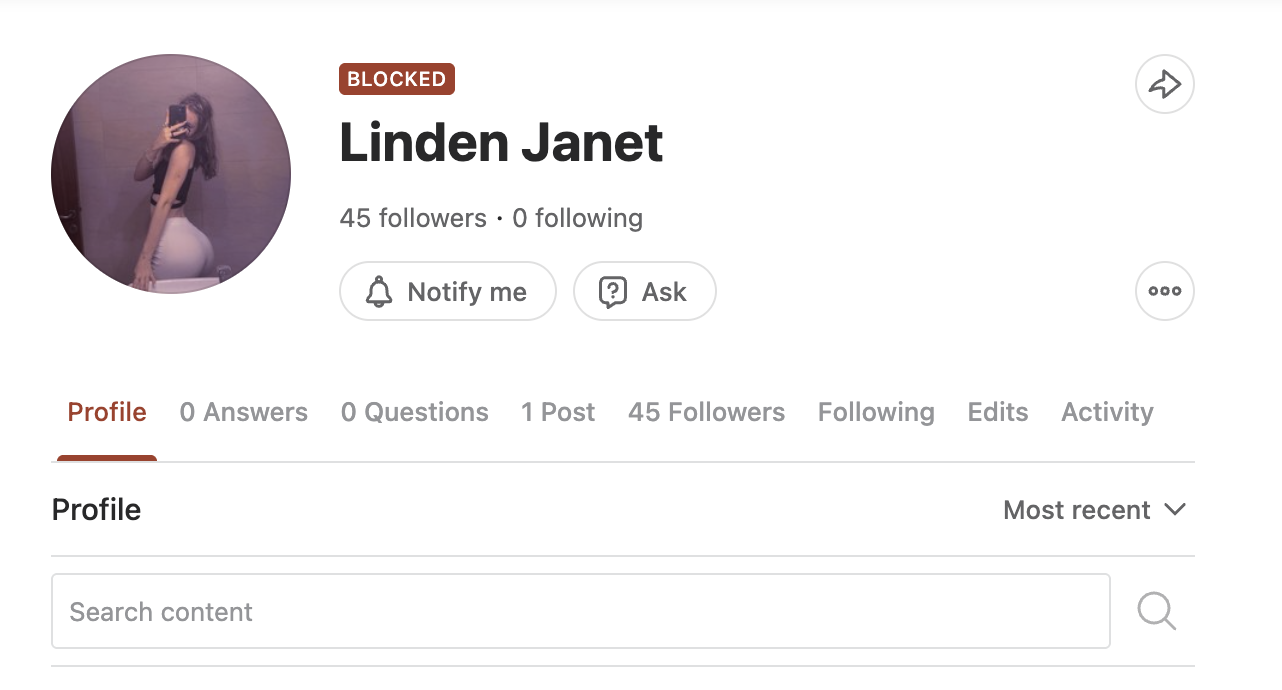
This is almost certainly a scammer in Southeast Asia, probably in Myanmar. He did a Google search to find Western names, but he put the Western surname first and the given name last.
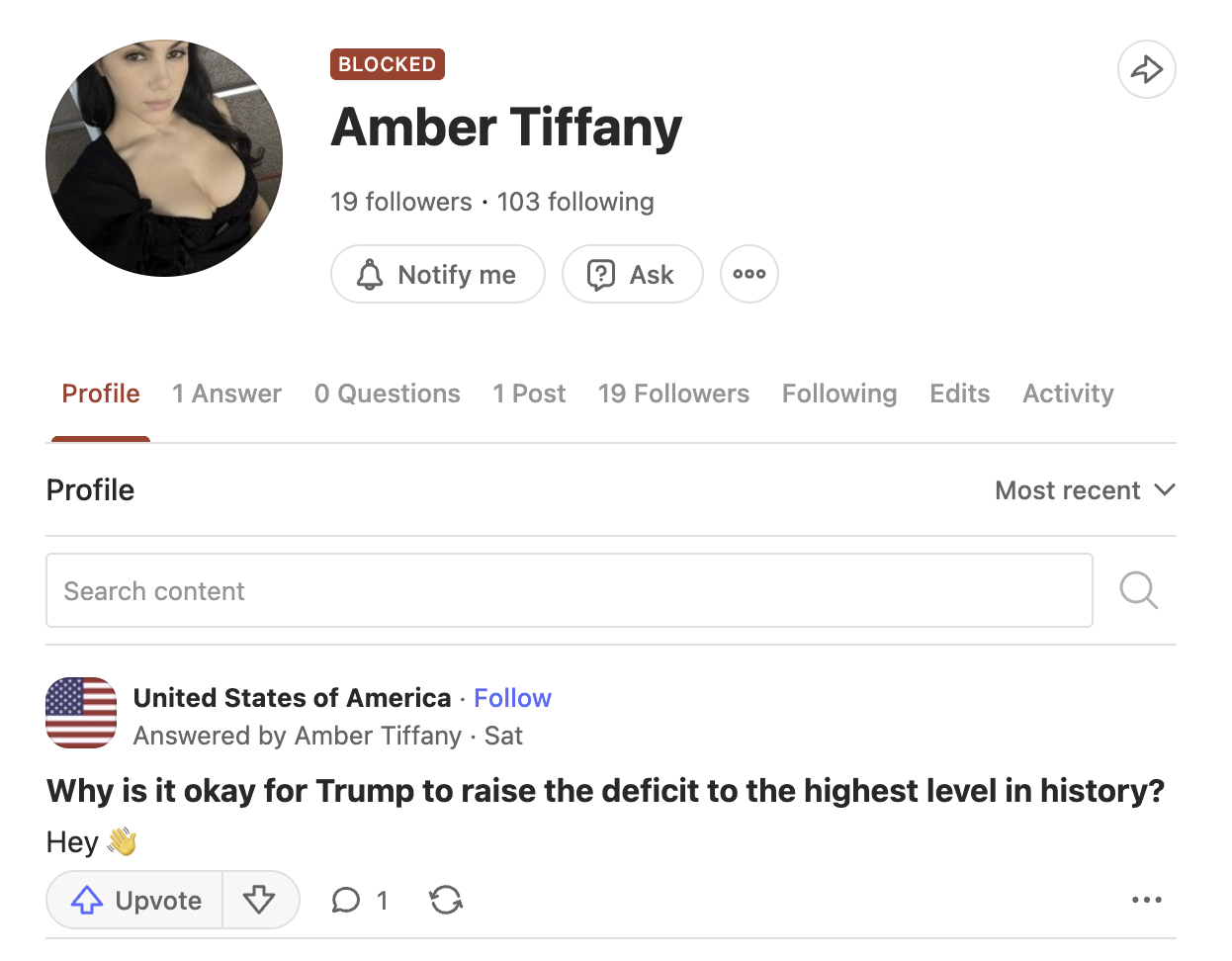
This is probably a scammer in West Africa. West African scammers struggle to distinguish between first names and surnames. You will frequently see scammers using names like “Alice Lisa” or “Smith Jones,” because they don’t know how to tell the difference between first names and surnames.
There’s a second tell here too: a “hey” posted as an answer to a question about something entirely unrelated.
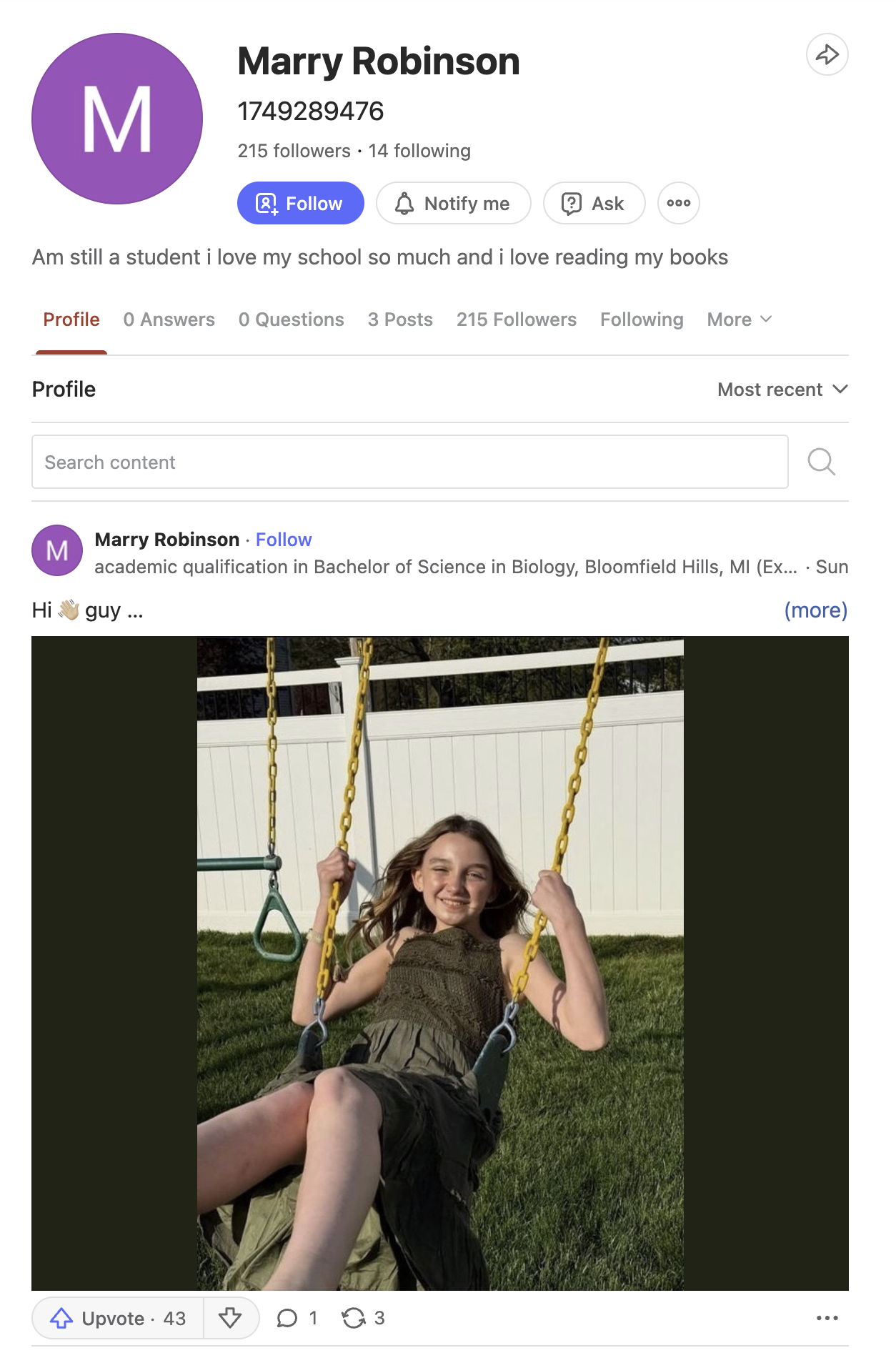
This is almost certainly a scammer in Nigeria. For some reason, Nigerians really struggle with the name “Mary.” They almost inevitably spell it “Marry.” Because “marry” is an English word, the spell checker doesn’t flag it.
A very comon name you’ll see Nigerians use is “Rose Marry.” They know that “Rosemary” is a Western woman’s name, likely because they heard it from other criminals in their HK, but they do not realize that (a) it’s one word and (b) “Mary” and “marry” are different.
Scammer Tell #2: Bad English
Almost all professional romance scammers speak some other language natively, and their English skills tend not to be very good. This means their scam profiles and come-ons have some weird English.
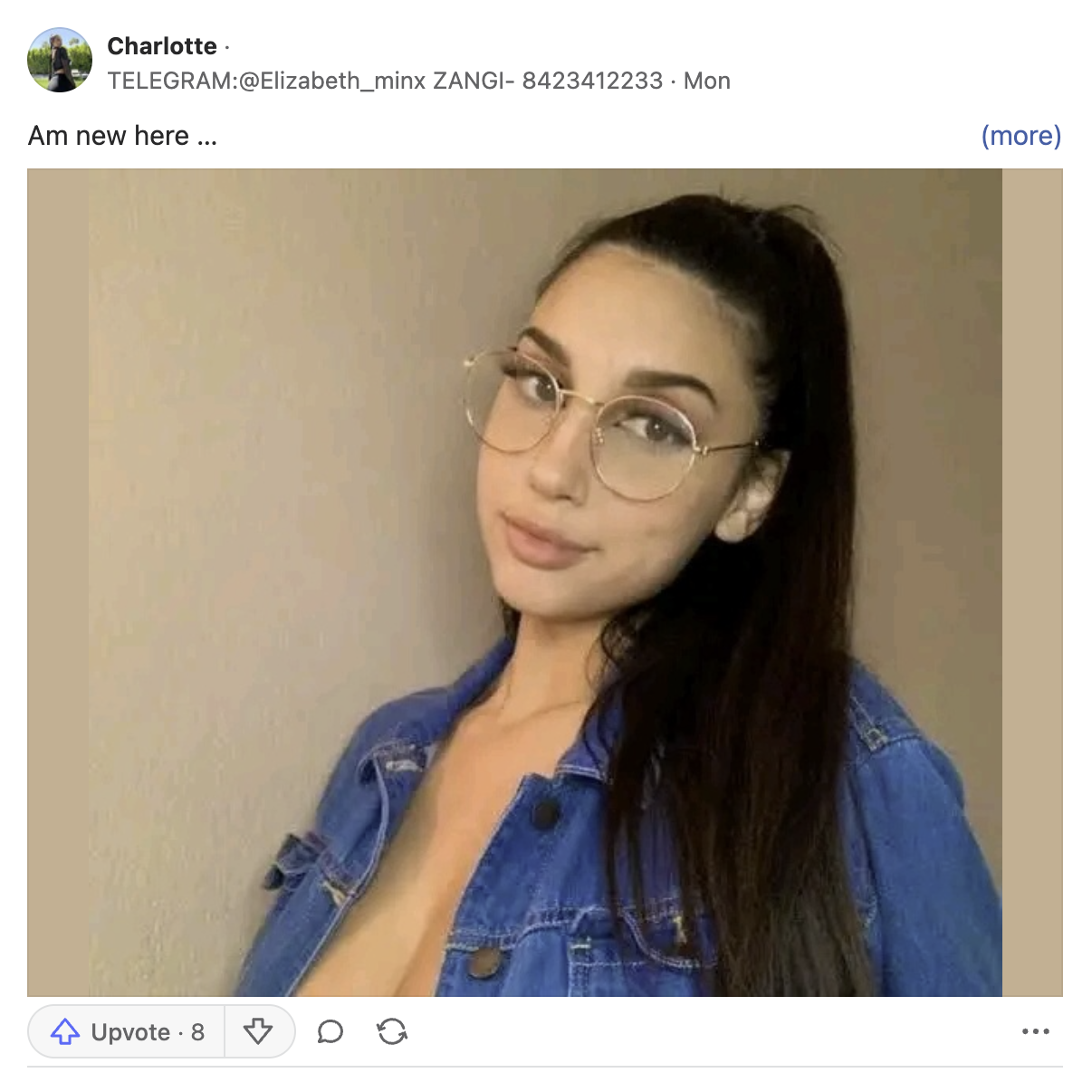
This is a scammer in Nigeria who speaks Yoruba as a native language. Yoruba belongs to a class of languages called “pro-drop languages.”
A pro-drop language is a language where you don’t use pronouns if the context is clear. In Yoruba, you don’t say “I am going to the store,” you say “Am going to the store” (because the conjugation of “am” makes it clear you’re talking about yourself).
Yoruba-speaking Nigerians make this mistake All. The. Time.
Even if you know that it’s a mistake, even if you try really hard not to make it, you still do, because the way we use language is deeply wired into our brains and it’s very difficult for native speakers of pro-drop languages to get pronouns right in languages that are not pro-drop languages.
In fact, you can often tell what language a scammer speaks and what country they’re from by the English mistakes they make.
“Hello dear” almost always means the scammer is in India. Indians who learn English as a native language overuse the word “dear” everywhere.
Overuse of the word “kindly” is also typical of scammers in India, particularly in the construction “kindly let’s.” If you see someone say something like “kindly let’s move to Telegram,” you’re talking to an Indian romance scammer.
“I need urgently” often means Myanmar. Leaving out indefinite articles is typical of scammers who speak Russian natively.
Specific phrases also give scammers away. “Do the needful:” unique to India. “Angry against” instead of “angry at:” Myanmar. “Please quickly:” India again. Using “at” in place of “have” or “massage me” instead of “message me:” Nigeria. “Looking for serious relation:” Ghana or Nigeria. Using -s on the end of words that are already uncountable plurals (for example, “stuffs,” as in “I need to get some stuffs from the store”): India.
Speaking of “kindly let’s move to Telegram:”
Scammer Tell #3: They try to get you to move to another chat platform
Have you ever wondered why scammers so often put Zangi or Signal or Telegram information in their profiles and messages?
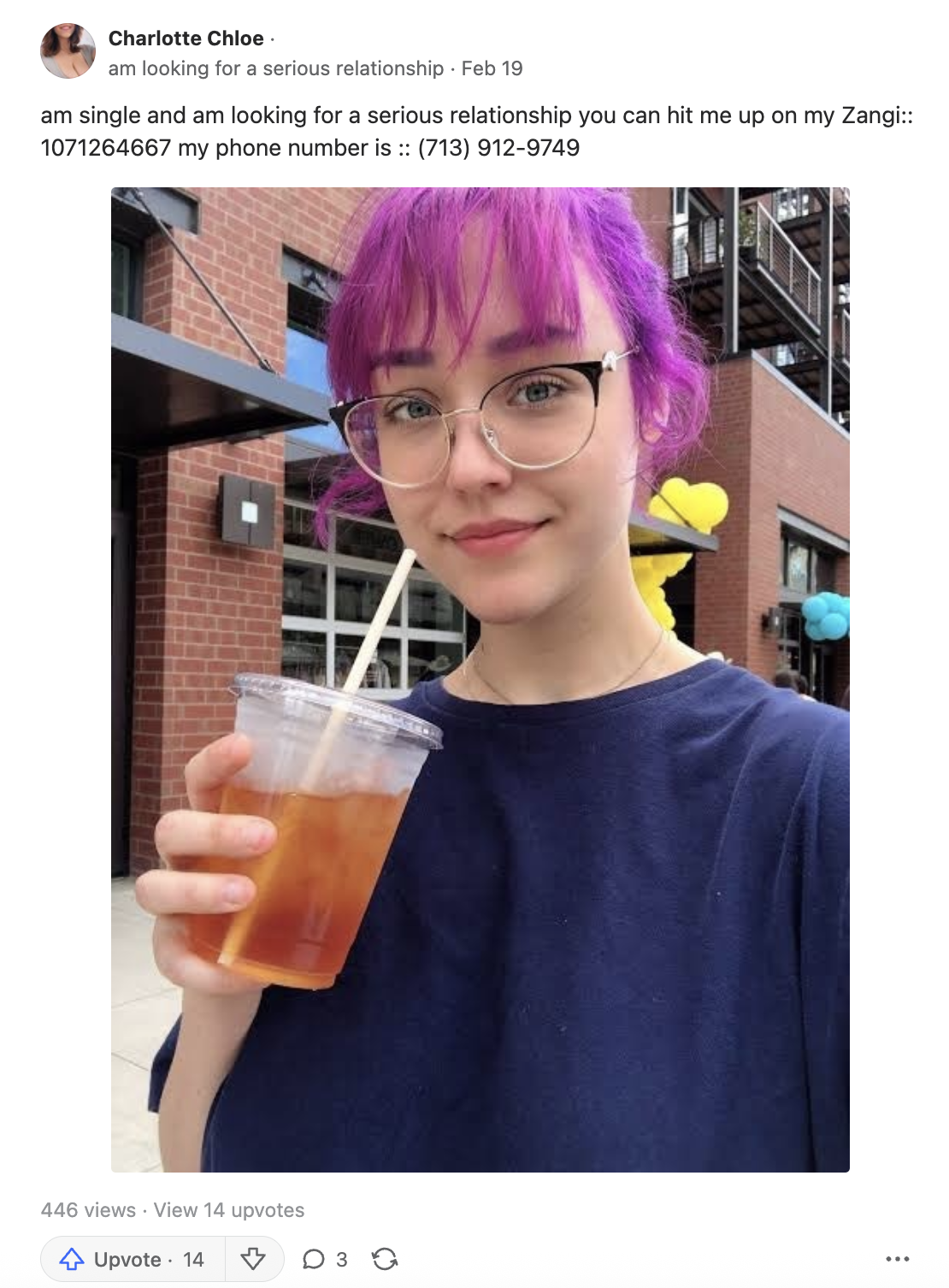
Some of them even use usernames that are nothing but a Zangi or Telegram or Signal address.
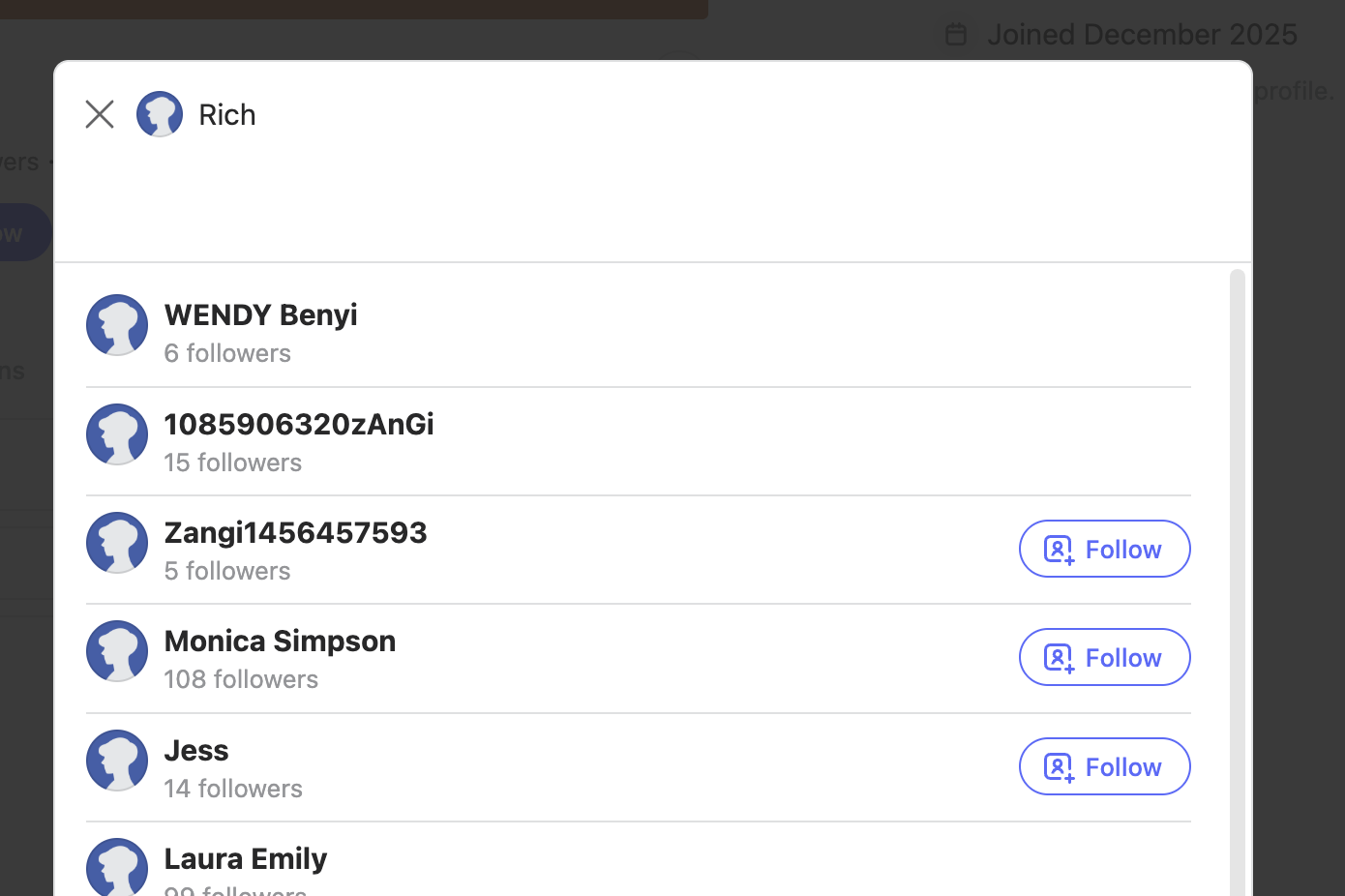
The scammer needs to get you off the platform you’re using and onto a different chat program as quickly as possible. The moment the scammer makes contact with you, the clock is ticking. Most social media platforms do ban scam profiles. The scammer needs to hook you and get you somewhere else because he knows his account is going to be banned the minute someone notices it.
Zangi, Signal, and Telegram are widely used by scammers because:
- They are private and encrypted. It is difficult for law enforcement to intercept these communication channels.
- They don’t cooperate with law enforcement. Zangi is owned by Vahram Martirosyan and Aram Hovsepyan, and was developed in Armenia. Telegram is owned by Russian Pavel Durov, who runs the company from Dubai using a decentralized company with no fixed address that uses programmers all over the world. It is almost impossible for law enforcement to intercept, track, or trace conversations on these platforms. Zangi will share metadata, but not chats, with law enforcement if they get a subpoena. Telegram will not take any action whatsoever against private accounts even if they know for an absolutely certain fact that the accounts are being used for criminal purposes. (They will sometimes take action against public channels if they receive enough complaints, but never against private chats.)
Once you’re on Zangi or Telegram, the scammer has you: there’s no way to trace the scammer, no way for law enforcement to intercept the conversation, and if he wants to, the scammer can simply disappear.
Scammer Tell #4: Scam accounts act like incel men
It used to be that romance scammers targeted women almost exclusively. Today, they still do, but they focus much more on men. (I’ve seen an interview with a Nigerian romance scammer who said “men are much easier to fool.”)
The men these scammers target are lonely, desperate, often have poor social skills, struggle to connect with women in person, and tend to have some pretty horrifying views about women, which is why they can’t find lovers. (They’re also, in the US, disproportionately MAGA conservatives, which is a big part of why thet can’t find a real woman—so much so that many romance scammers fill their profiles with MAGA images and slogans.)
The scam accounts pretending to be women use photos of really hot women, but they don’t act like women. They act like incel men.
They advertise easy access. They beg strangers to DM them. Real women don’t do that, because real women know what happens when you let strangers DM you. (My wife sometimes sends me screenshots of DMs she gets. They’re…special.)
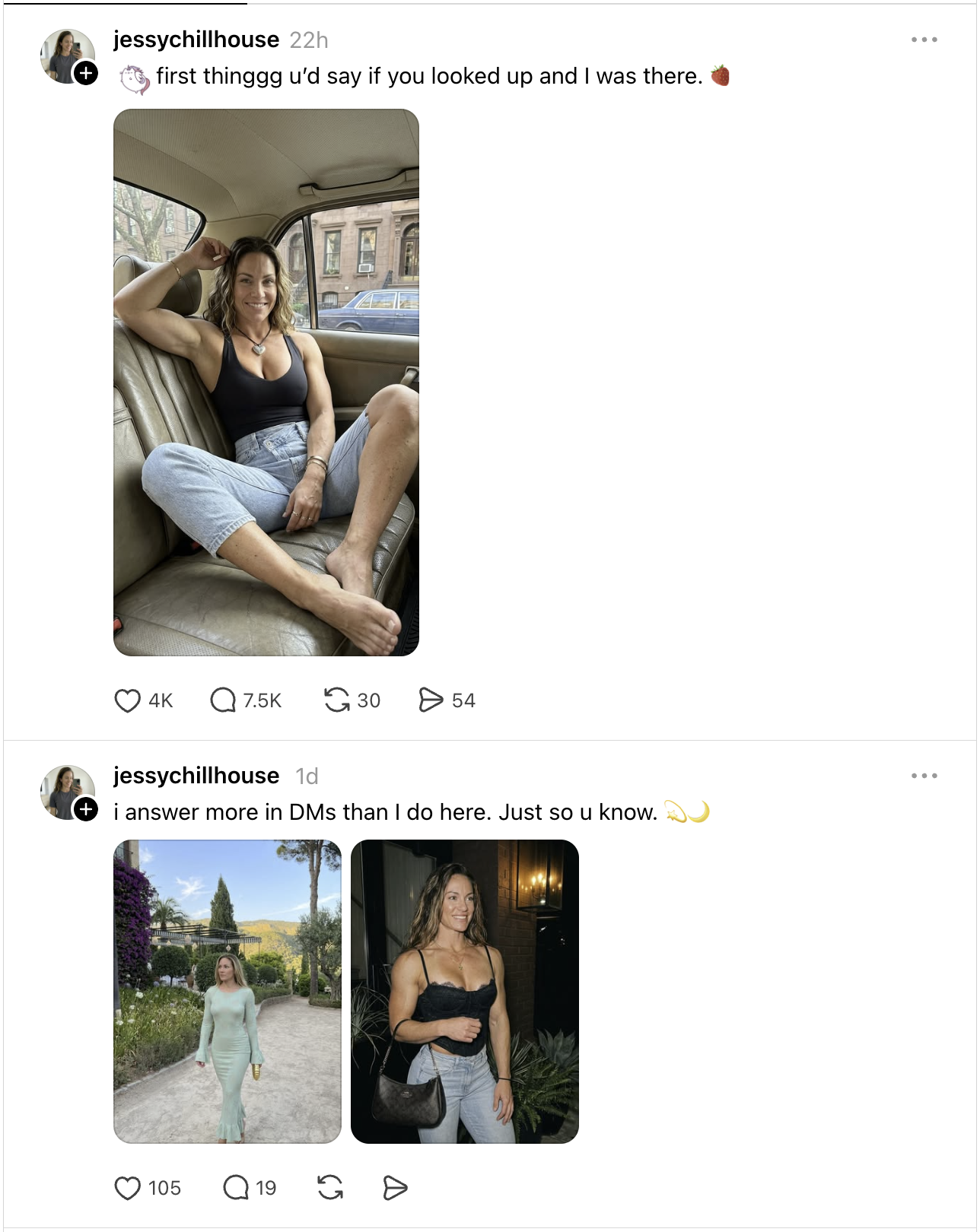
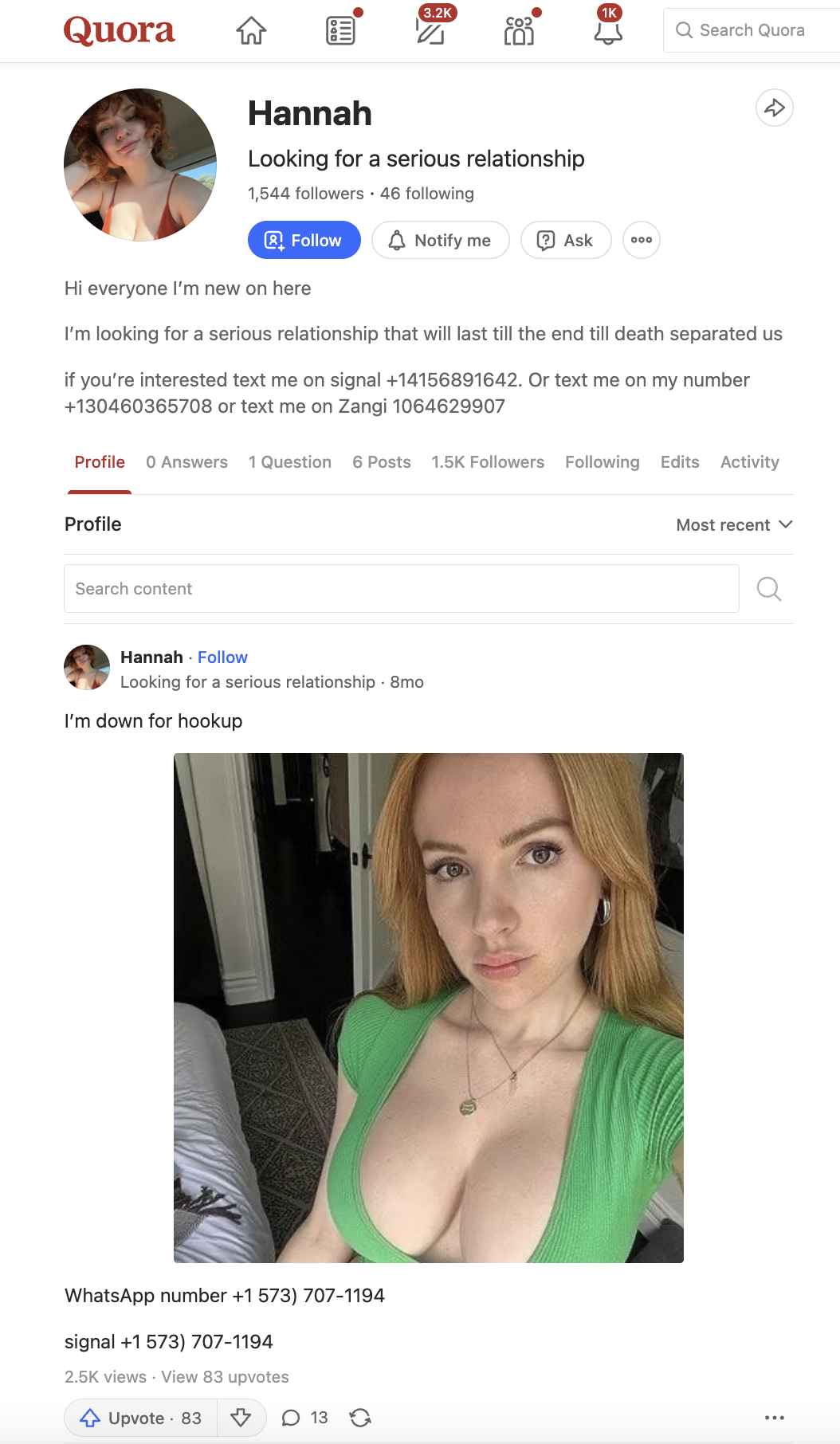
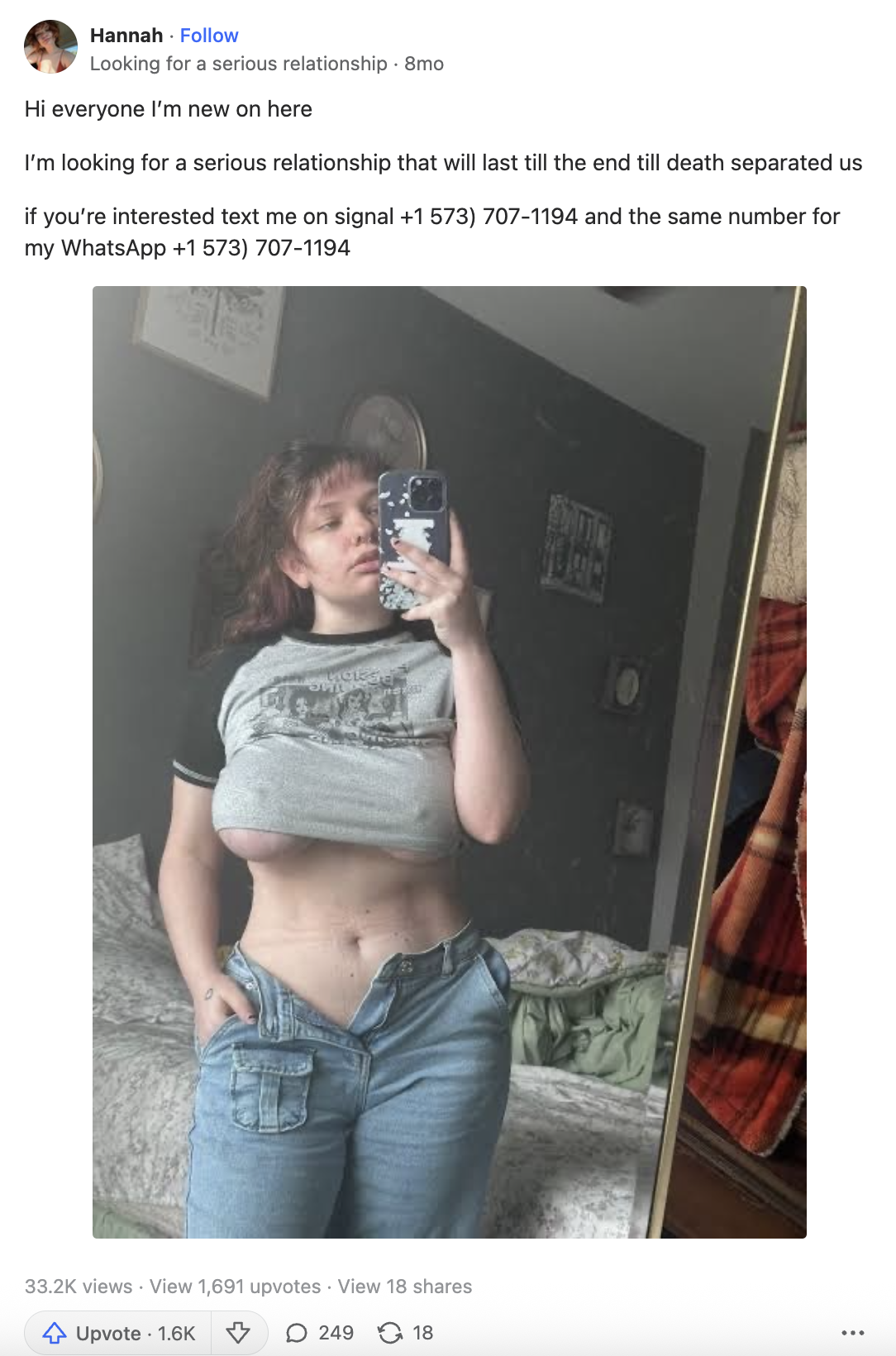
No woman acts like this. No woman posts sexy photos with private contact information and begs people to contact her privately on her phone number or begs for private direct messages.
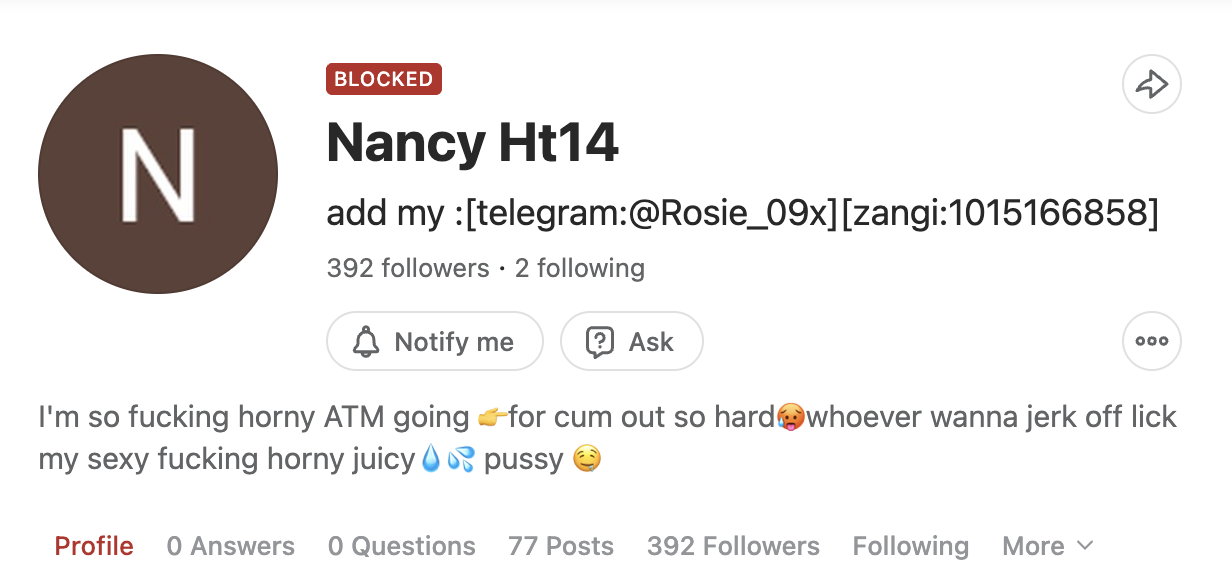
You know who acts like this? Incel men.
This works because they’re targeting men who don’t see women as people and don’t have any sort of close friends or family members who are women.
Any woman can tell you what happens if you post a photo with your boobs hanging out and your private contact information. Hell, any woman can tell you what happens if you just, you know, exist as a woman on the Internet.
My wife and my Talespinner sometimes share with me the posts they get from horny men, and they are truly awful. Photos of penises, graphic unsolicited descriptions of sex acts, you name it. Post sexy come-ons with your private contact information? You’ll be buried beneath a nonstop avalanche of propositions, rape threats, and cock shots.
Women do not do this. Women do not act like this. Show these screenshots to a woman in your life and ask her what would happen if she posted something like this.
Scammer Tell #5: The Script
You can tell that these two profiles are run by members of the same HK, because they’re using the same script. HKs pass around scripts that their lower-level members post. If you see a lot of romance scammer accounts online, you’ll start seeing the same scripts over and over and over and over again.
“I’m looking for a serious relationship that will last till the end till death separated us” is a script.
“Hi everyone I’m new” is a script.
“Am looking for a serious relationship you can hit me up” is a script.
Different HKs use different scripts, and different HKs focus on different social media platforms, so the scripts you see on Quora might not be the scripts you see on OK Cupid, which might not be the scripts you see on Twitter.
Right now, Threads, the Twitter competitor, is starting to attract a ton of romance scammers. There are two common scripts on Threads: this one
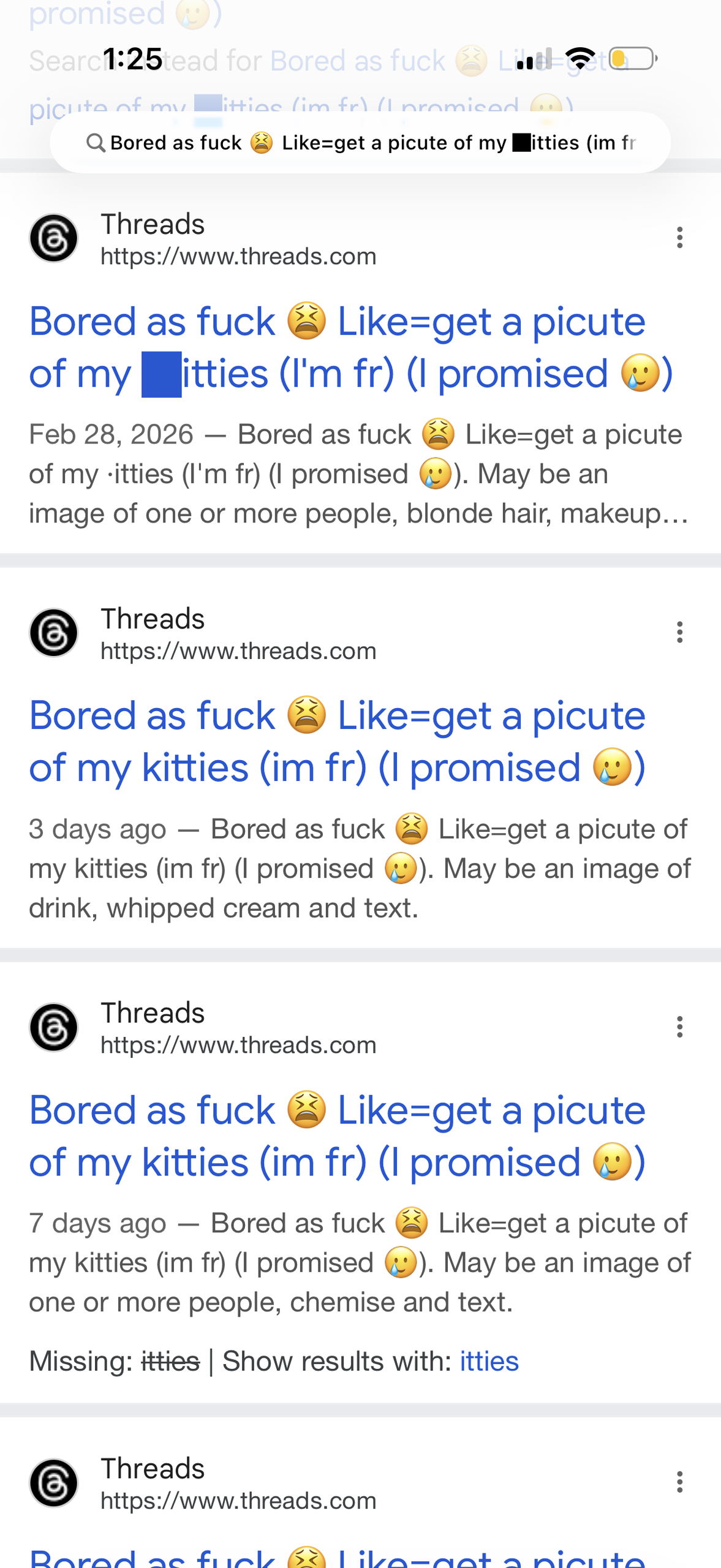
And another script that targets people in specific cities, that goes “I just got out of an abusive relationship and moved to [$CITY_NAME]. I’m so proud of myself, but now I’m alone. Is there anyone in [$CITY_NAME] looking for a new friend?”
After you’ve been online for a while, the scripts start to jump out at you. You’re like, ooooh, yeah, no, I’ve seen this before.
Scammer Tell #6: The Same Same Same Same Person
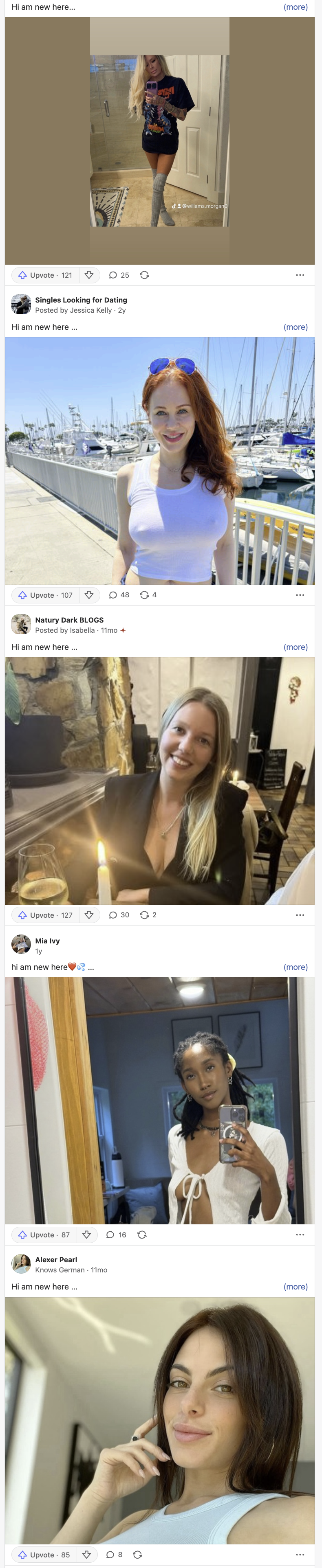
Scammers steal images from the Internet. Every so often, they use AI to make images, but that’s rare; overwhelmingly they use images they steal from Instagram or Google image search.
Scammers flock to the same people again and again.
Meet porn star Maitland Ward, TV actress Lili Reinhart, and porn star Raye Roze, the #1, #2, and #3 most popular women for romance scammers to steal photos from:

You will see photos of these people over and over and over and over and over and over and over and over and over again on social media scam profiles.
These women are not on social media begging for romance.
In fact, not just photos of these people, these three exact photos have been used countless times by romance scammers. Why these particular people, I don’t know, but scammers absolutely loooooove them.
Speaking of, let me share a nice technique with you. Google allows you to search for photos, not just for text. Have you ever wondered why the Google search bar has a little picture of a camera in it?
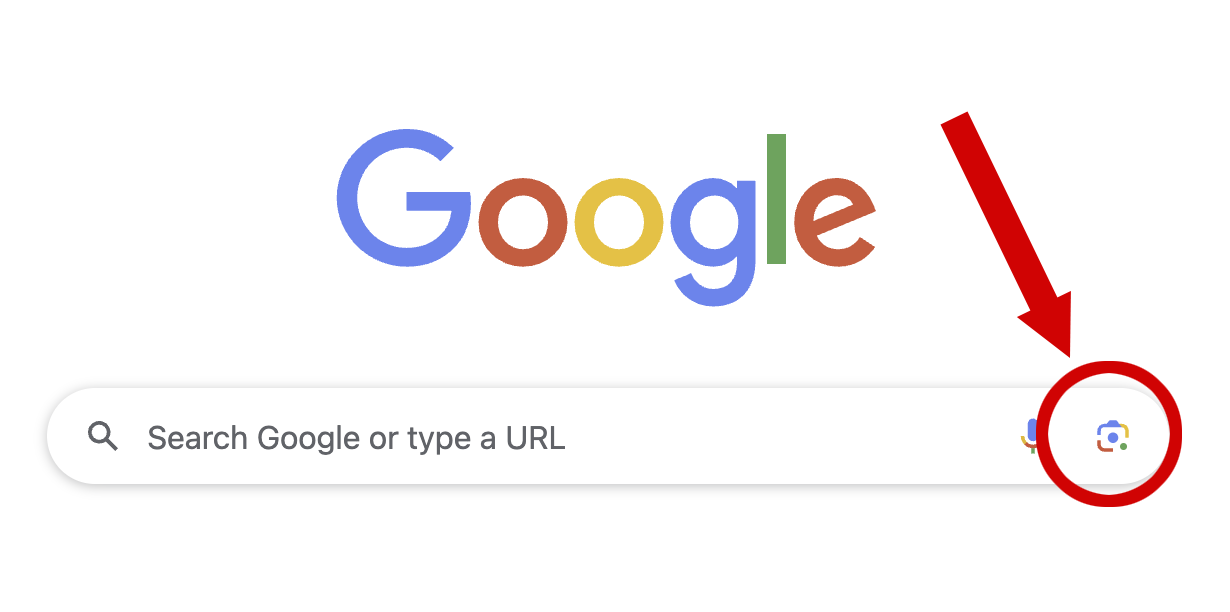
That’s a button. It means “search for a picture.”
Click the camera and you see this:
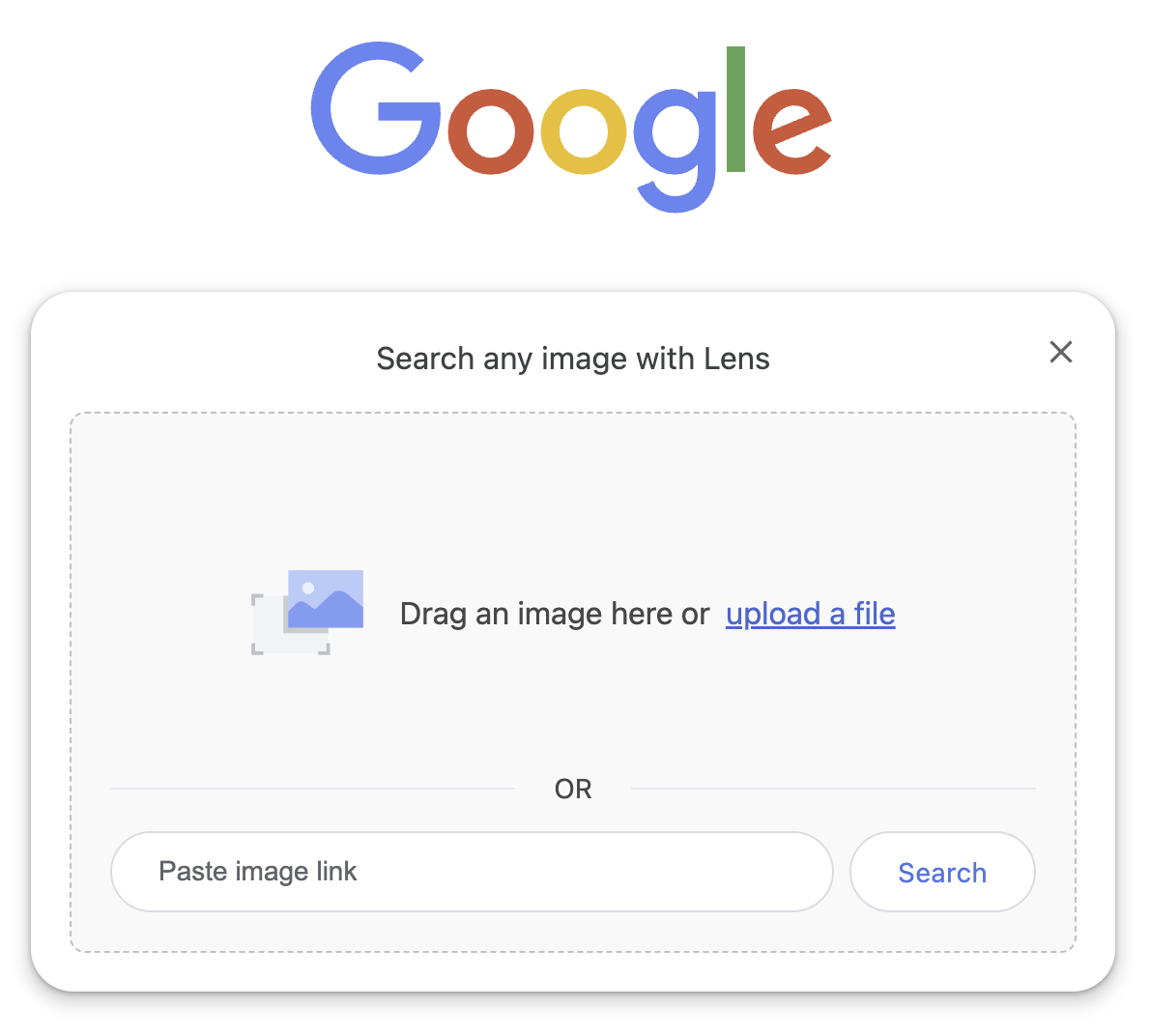
So, you see a photo of a hot woman on social media. You don’t know if it’s real or not. Click the photo, then click the right-hand mouse button and choose “Copy Image Address.”
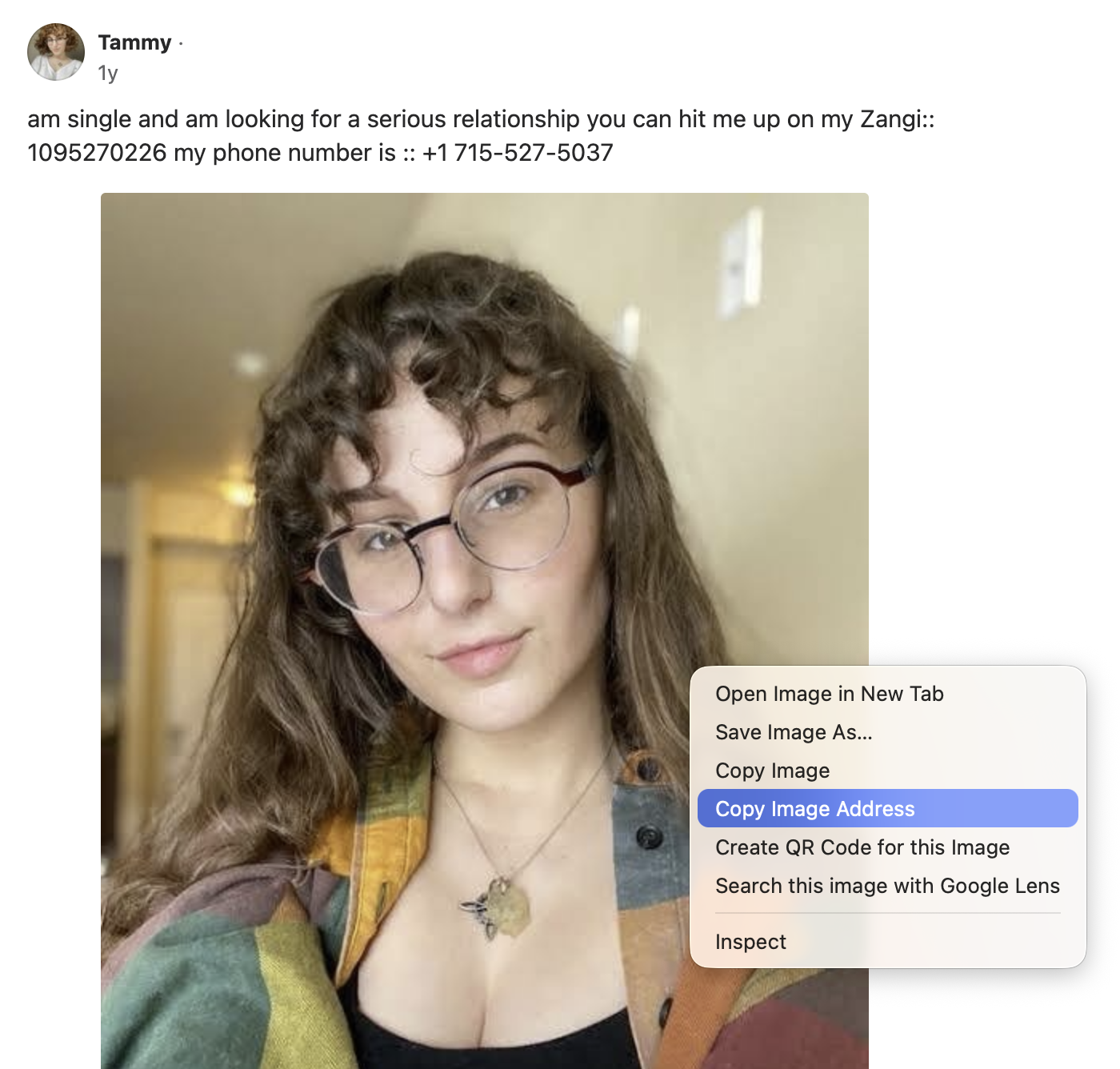
Go to Google. Click the camera. Hit Paste.
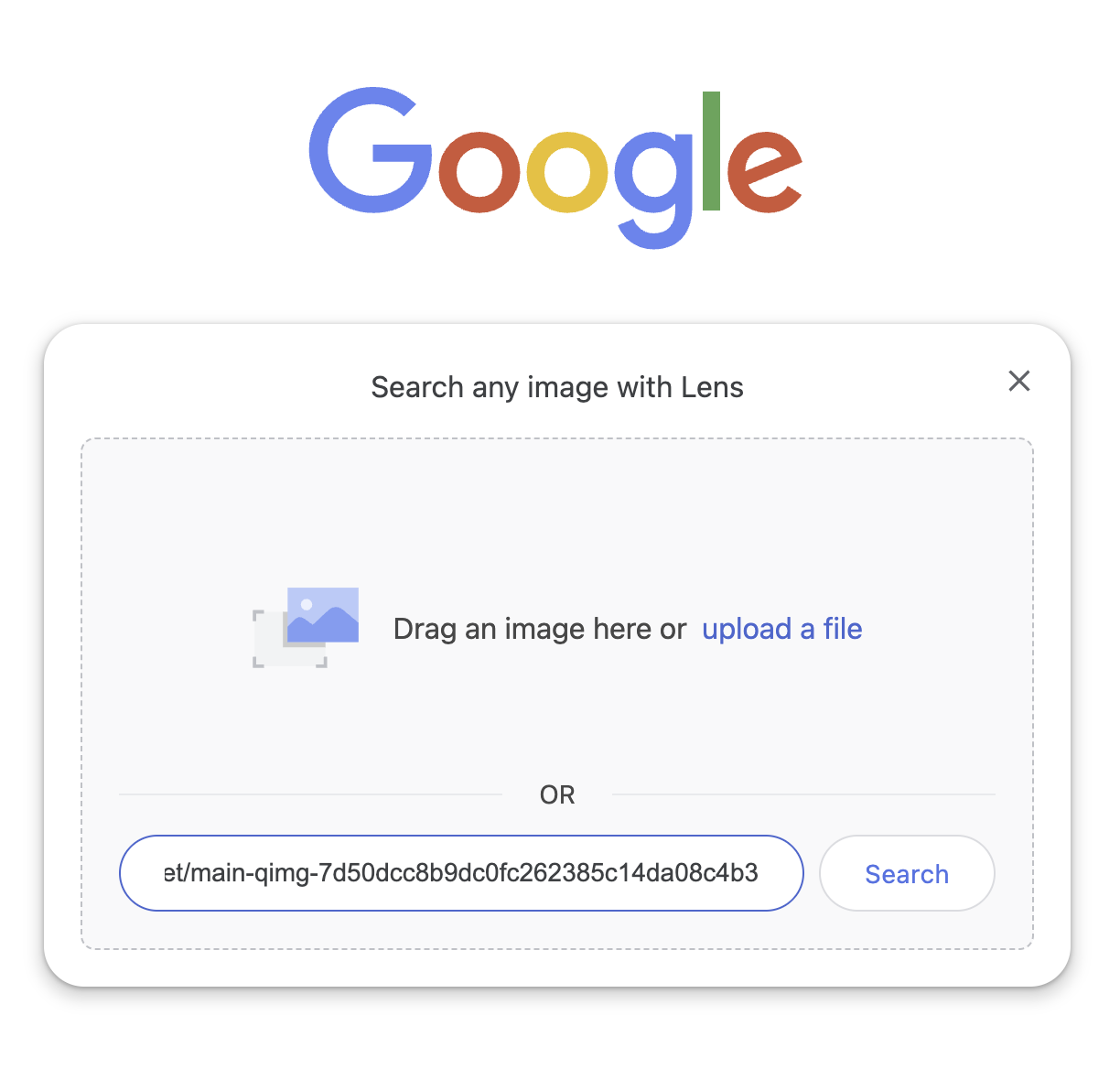
When the search results come up…
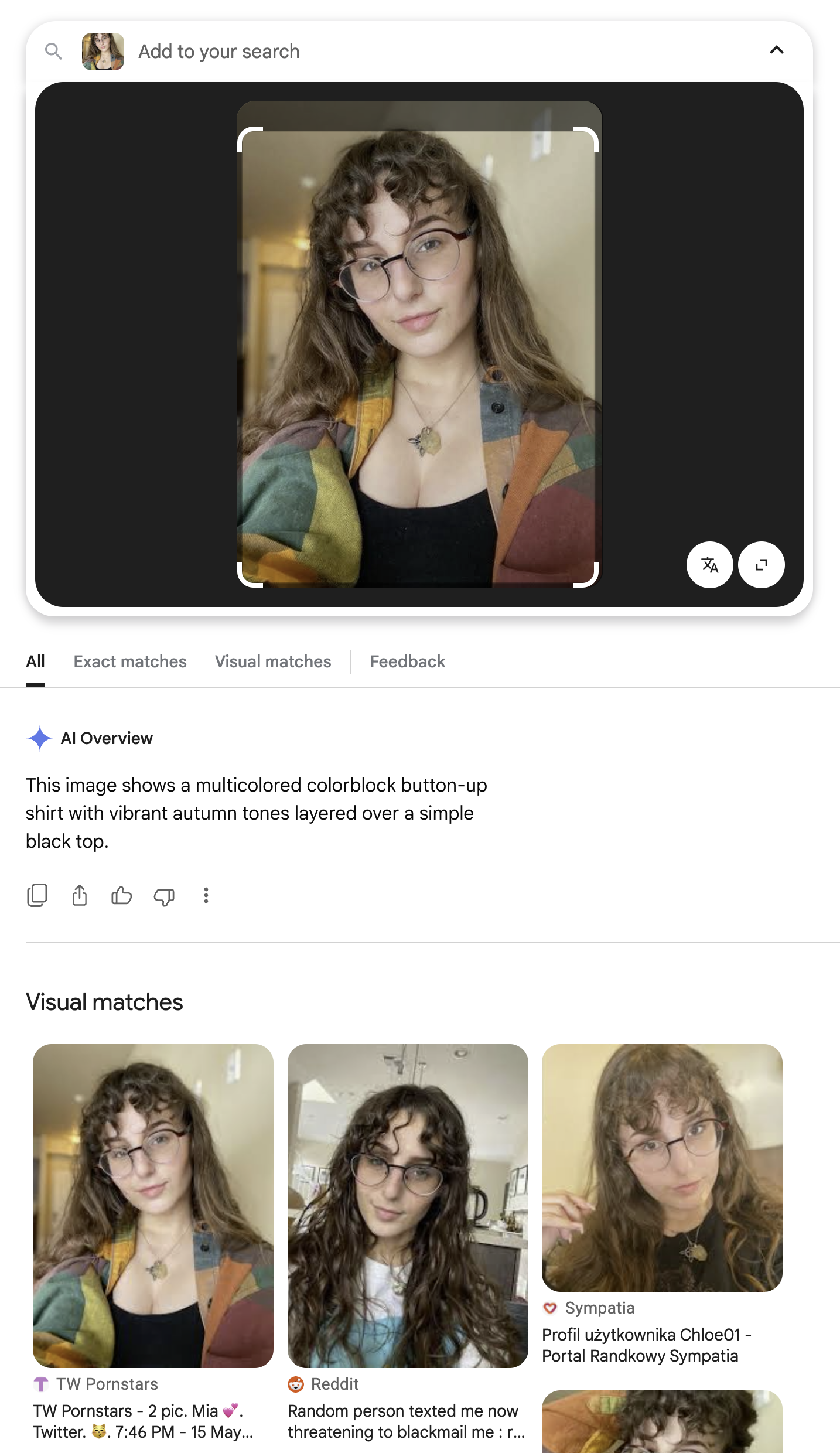
Drag the outline to cover the entire image, then click “Exact Matches.”
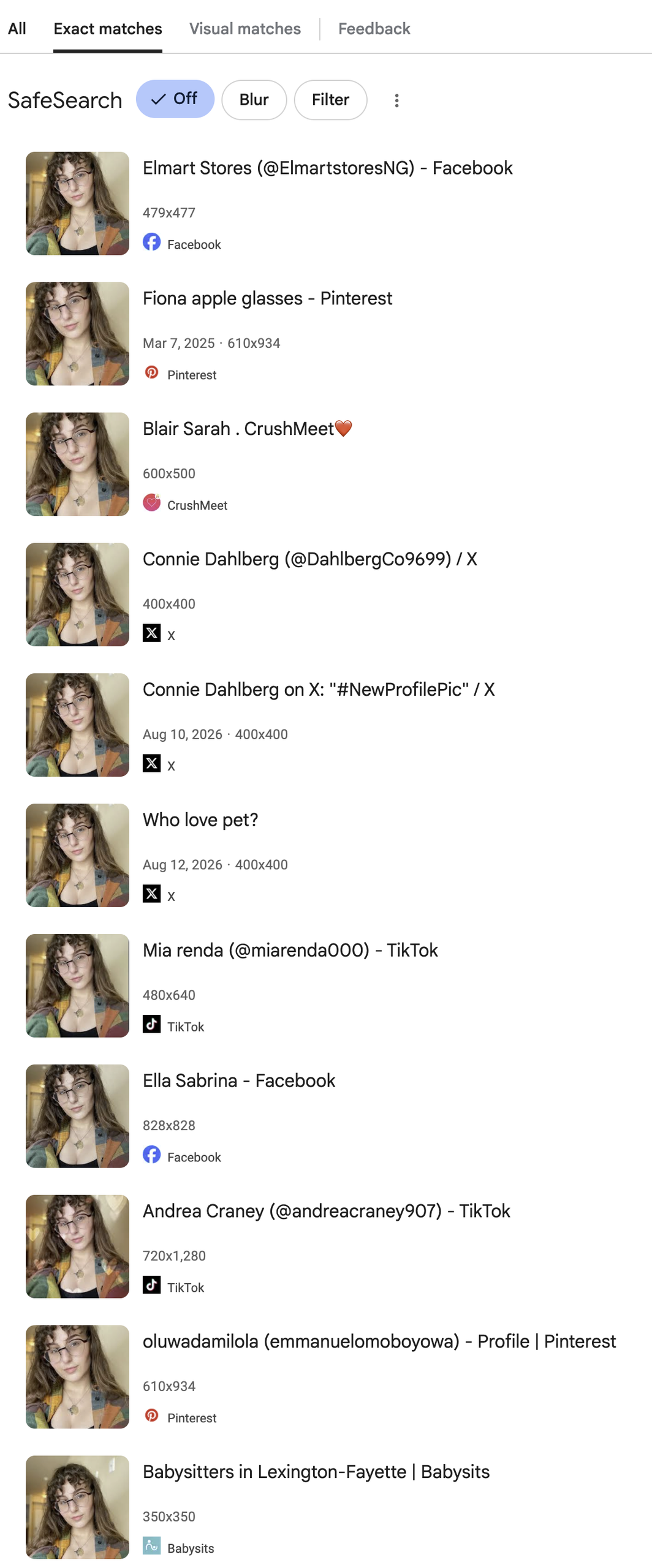
This is a photo of a porn star who uses the stage name “Mia.” As you can see, tons of scammers love to use her photos. (“Connie Dahlberg” is a romance scammer on Twitter.)
Scammer Tell #7: They sometimes have trouble keeping their identities straight
In a scammer HK, different people will use the same scam accounts. Low-level members of the HK get the scut work: creating fake social media profiles, uploading photos, making Zangi and Telegram accounts, posting the come-ons.
When people respond, they might get passed off to higher-level scammers in the HK, sometimes people with better English skills. When it comes time to “bill the client” (ask the gullible mark for money), they’ll get passed off to different scammers in the HK who focus on emotional manipulation to get the mark to give money.
Because different people use the same scam accounts, they sometimes get a bit…confused as to what the scam persona is, leading to hilarious things like this:
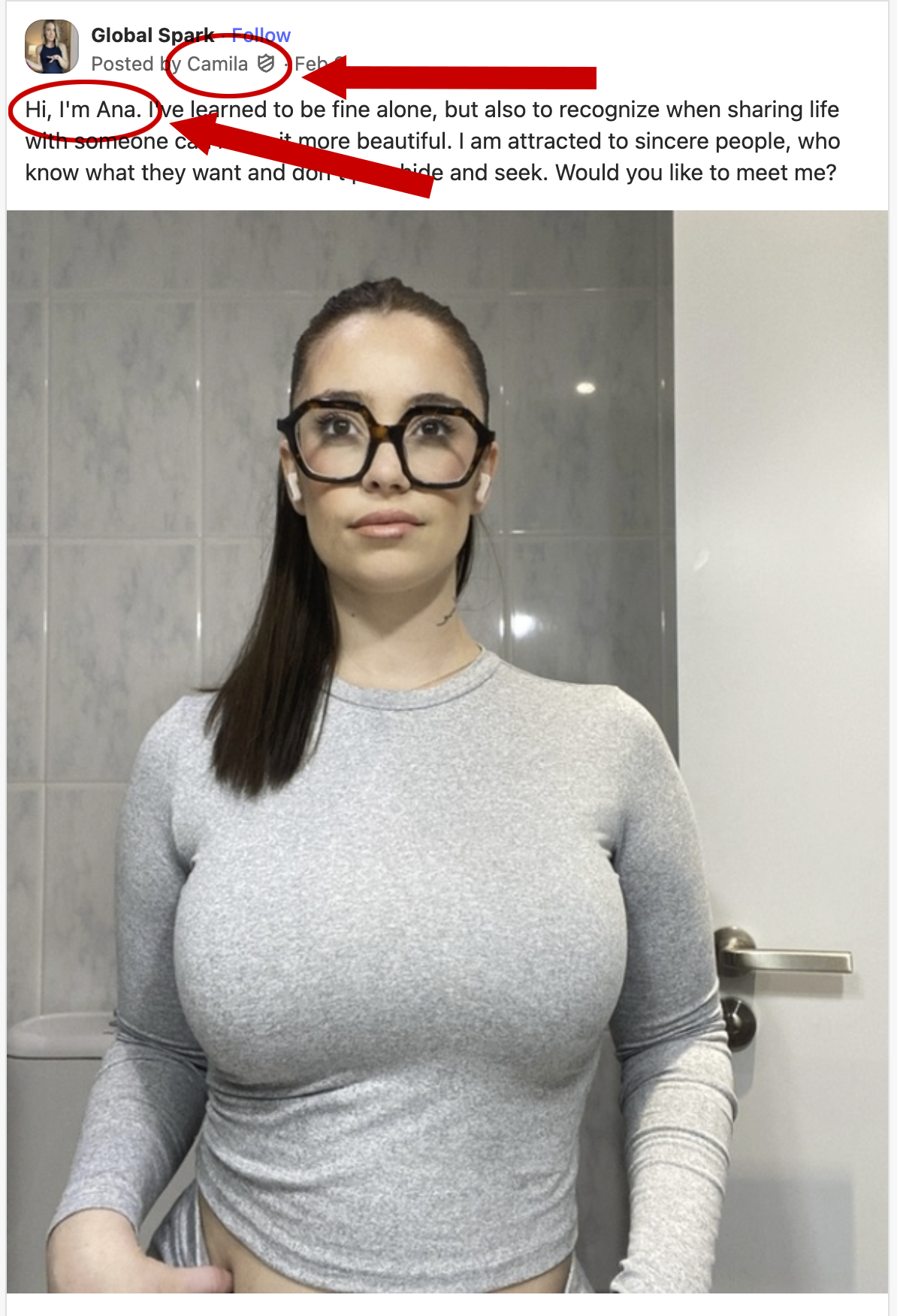
The person who created this account and the person who is pasting the scripts into the social media posts likely aren’t the same person, they’re two different people in the HK. The person pasting the scripts didn’t pay attention to the name of the account, so you end up with a scam persona who doesn’t know what “her” name is.
This is also why a scammer will always call you pet names like “baby” or “dear” or “sweetheart” but almost never use your name when you start talking to them. You are not talking to one person. You’re getting passed around the group in the HK; when you message, whoever happens to be on shift will answer.
It’s also why scammers can sometimes seem to be forgetful, and not understand when you reference conversations you had earlier. You’re not talking to the same person.
And it’s why the tone shifts when they ask for money. The person who handles the money part is a specialized member of the HK who is good at using emotional manipulation and psychological pressure to extract money from scam victims.
Scammer Tell #8: The Bio Link
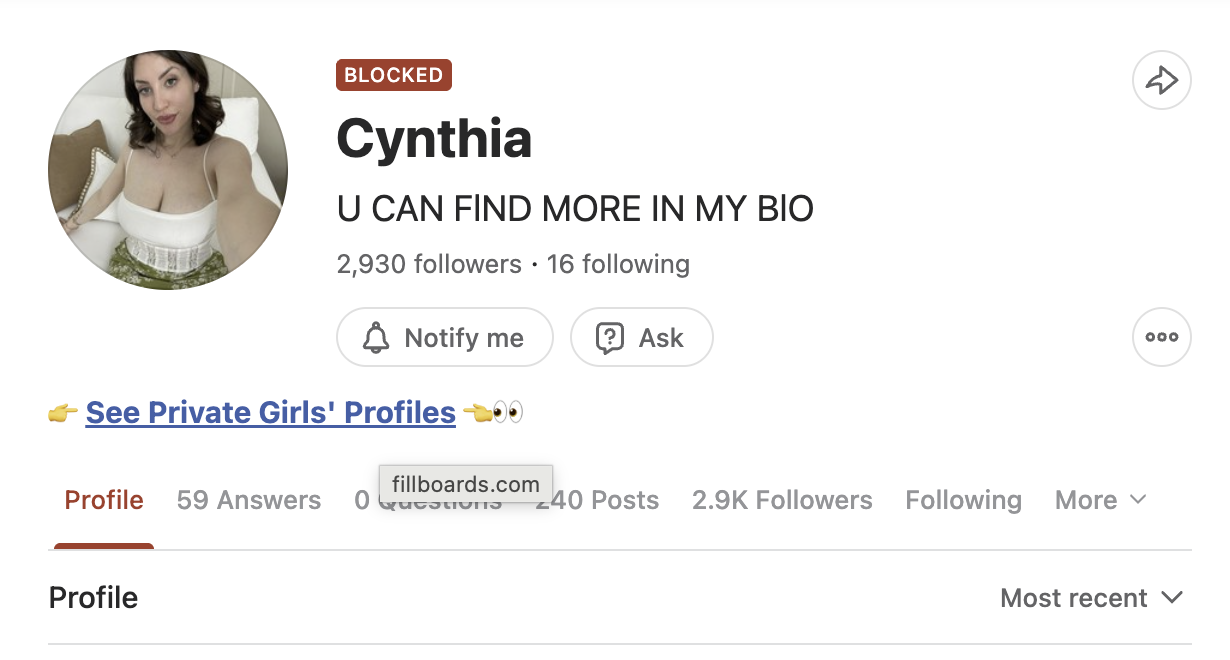
This account is not, technically, a romance scammer. It’s a fake-dating scammer.
What’s the difference?
A romance scammer wants to talk to you one-on-one, establish a fake relationship with you, then get money from you.
A fake-dating scammer uses many of the same techniques (creating thousands of phony profiles using stolen photos of hot women to prey on loneyly men with poor social skills), but the goal is to get you to click on the link in the profile.
The link in the profile goes, often through a network of blind redirectors, to a phony dating site filled with hundreds of super-hot lonely single women…all of them fake profiles run by the scammer. You must pay to chat with them.
You create an account on the fake dating site, you get tons of messages from super-hot women, but you can’t reply without buying “coins” or “tokens.” The profiles are all run by the same scammers who create the social media accounts and run the “dating” site.
The largest group of these fake-dating scammers operating today are the Lads from Cyprus.
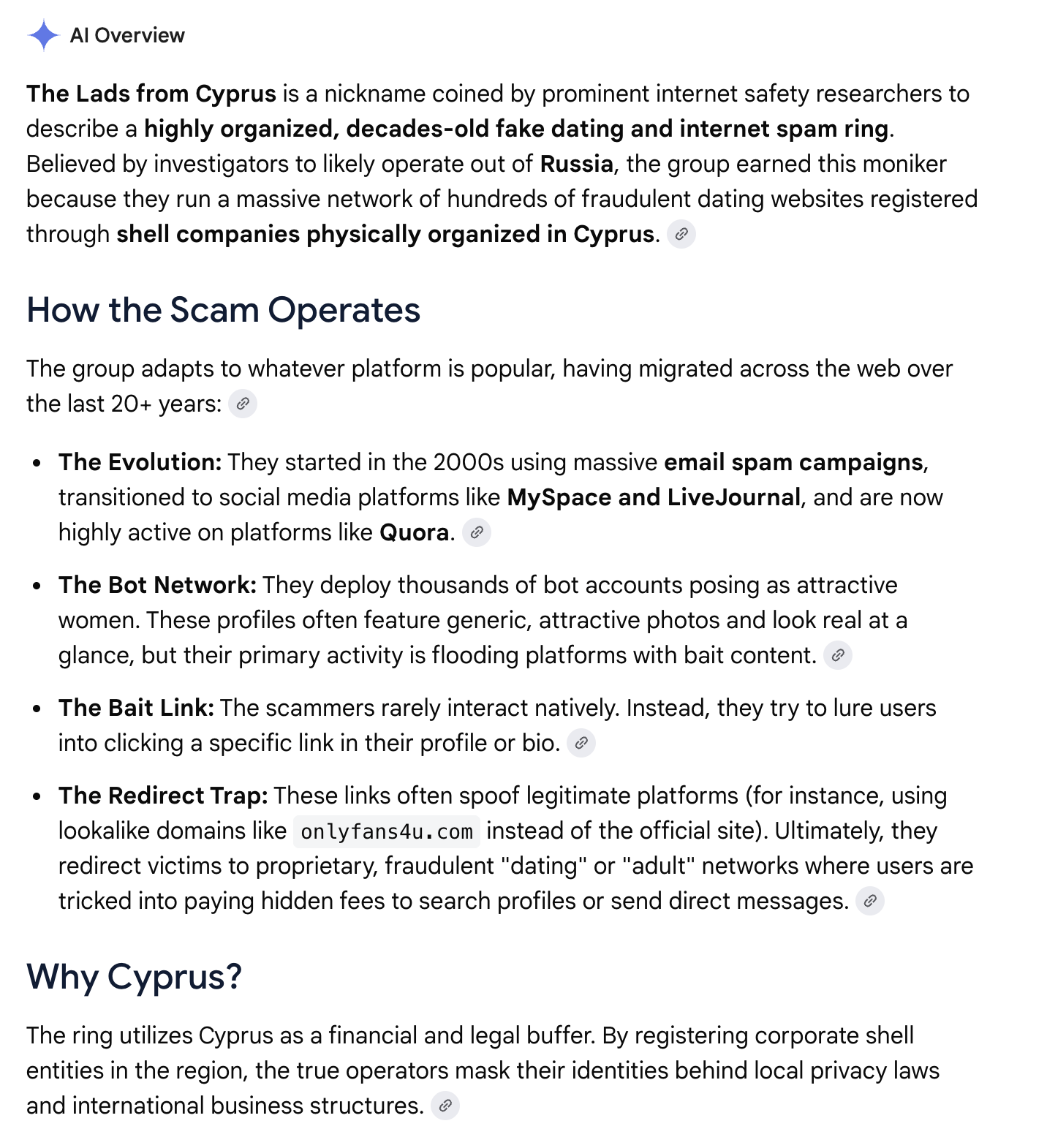
They’re not actually Cyprus nationals; they appear to be Russian. They are called the Lads from Cyprus because the fake dating sites the run are usually owned by shell companies registered in Cyprus, where it is very hard for international law enforcement to reach.
The Lads from Cyprus operate extensively on Quora, and have thousands of fake profiles here on Quora, many of them extremely popular with tens of thousands of followers.
Their goal is always, always to get you to click a link. They will post the link in the profile, and often post it together with their thirst-trap posts. Sometimes, they will post a link to another Quora profile, and the actual target they want you to get to is on that second profile.
I have been working directly with Quora admins to try to get these profiles shut down. Many of the profiles remain active after multiple complaints, because the scammers use different redirectors, so they don’t “look” to the Quora moderation bot like they are all part of the same network. (It’s frustrating, because changes in the way Quora moderates content require CEO Adam D’Angelo’s personal approval, and since he’s now on the board of OpenAI and has largely abandoned Quora, that approval is hard to get.)
Scammer Tell #9: The Truly Bizarre Errors
You’re likely not going to believe this, but all these screenshots are from Quora romance scammers who actually baited people. These aren’t from scammers who got zero replies. These scam profiles worked.
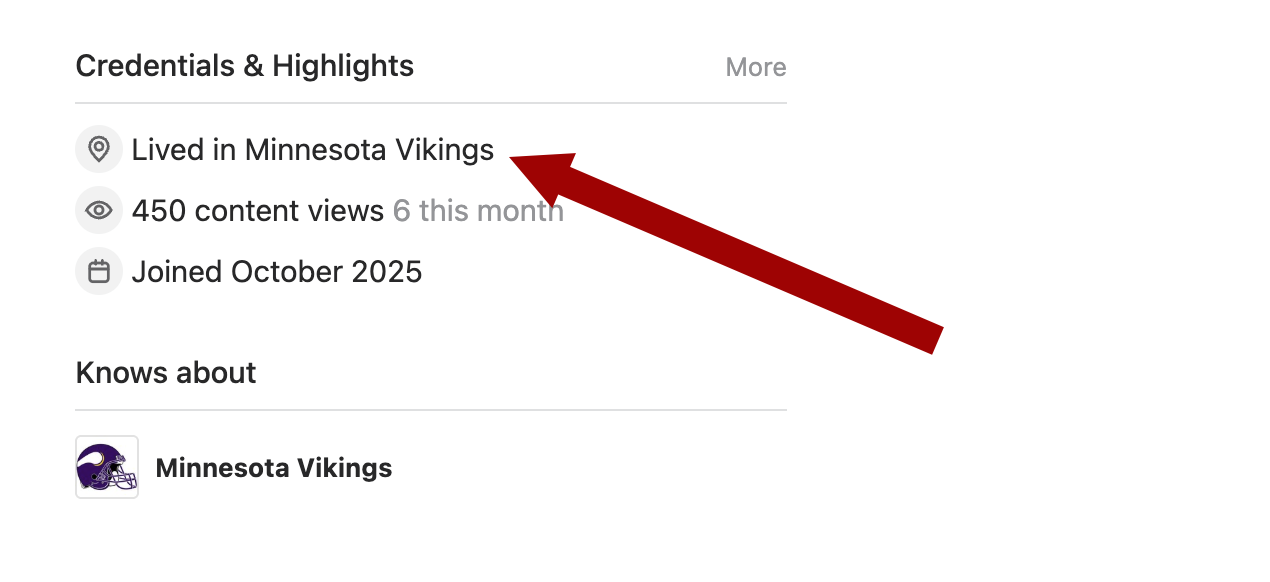
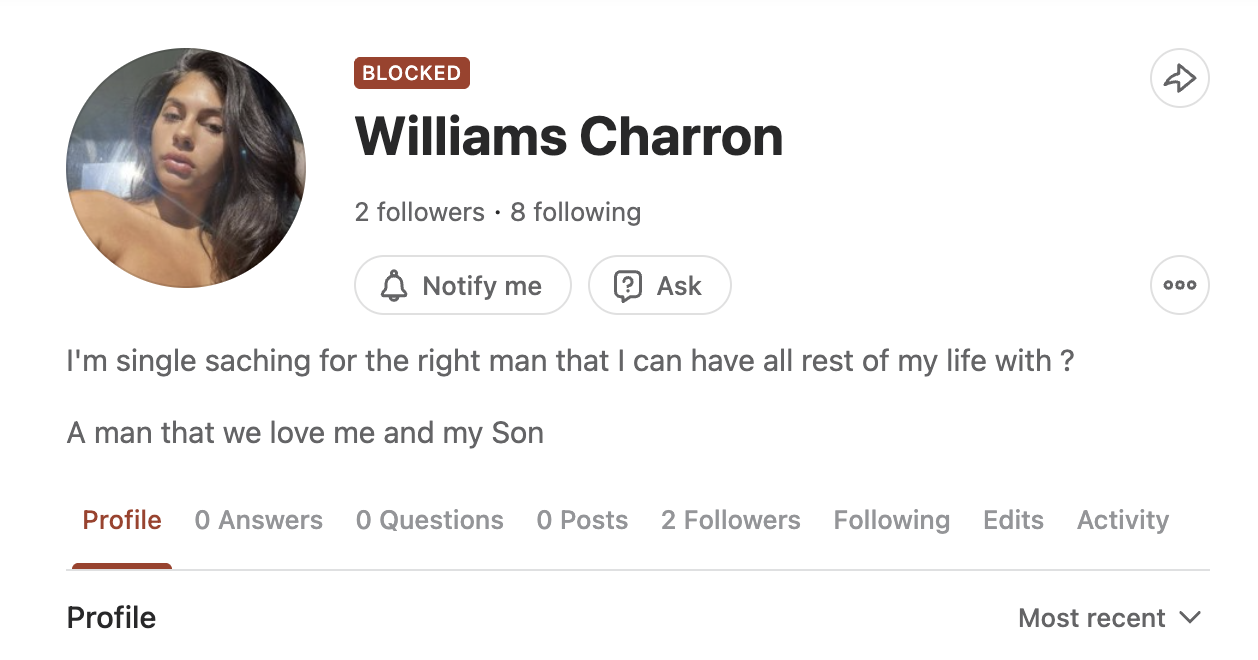

The people who create fake profiles are, as I’ve said, often the lowest-tier members of an HK, the ones with the worst English skills, not trusted to communicate directly with the marks.
Sometimes, this is hilarious, though unintentionally so.
And yes, these profiles still bait gullible men.
A quick note: People will say that these scam profiles make intentional errors in order to weed out anyone with critical thinking skills, so as to leave only the dumbest, most gullible marks. This is often true with phishing spam emails or things like fake customer support spam.
It’s not true with romance scammers. Romance scammers generally want to create the most plausible, believable accounts they can; they’re just that bad at English.
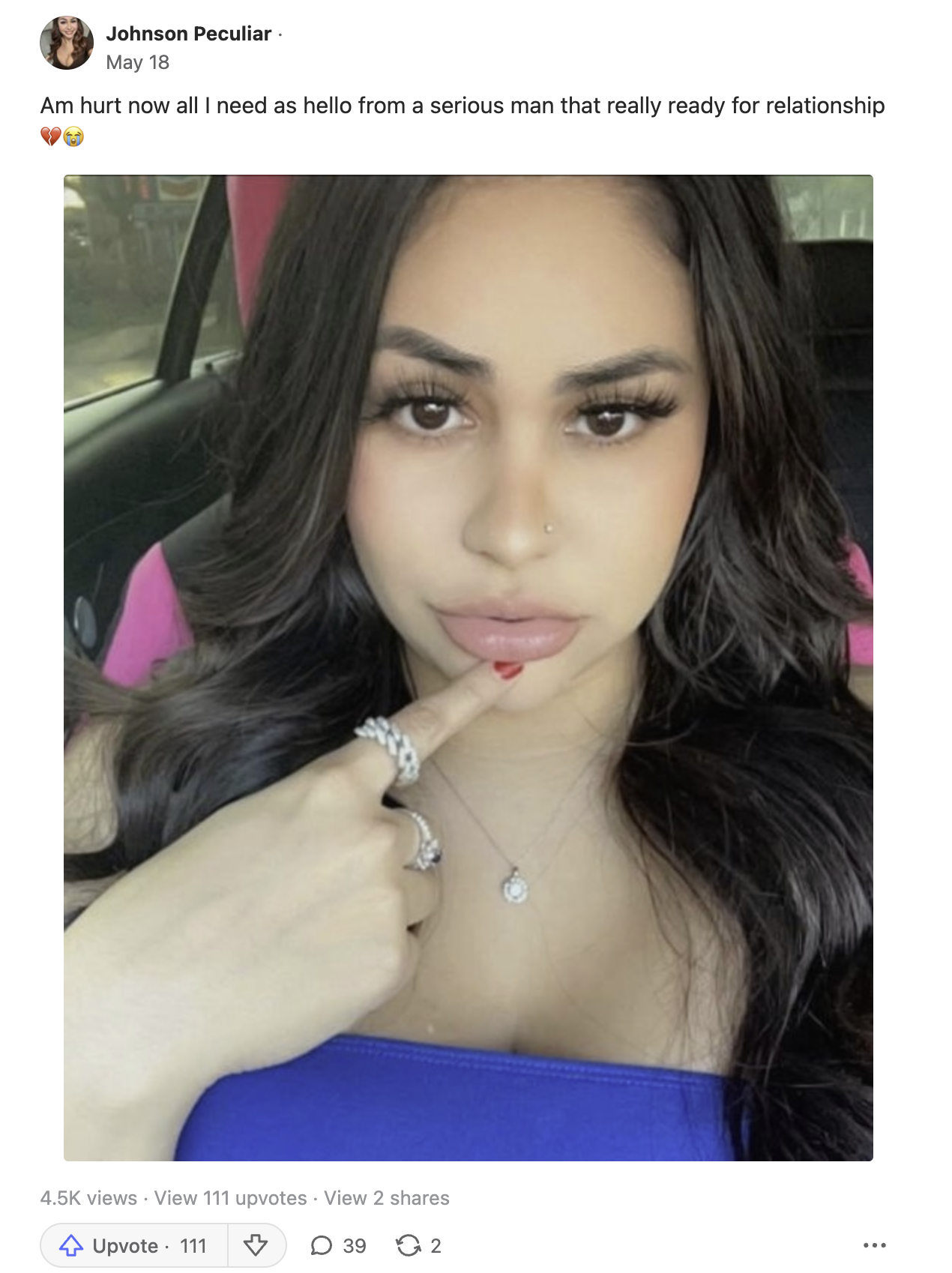
This is the best they can do, like, for real.
Scammer Tell #10: Begging for follows or interaction
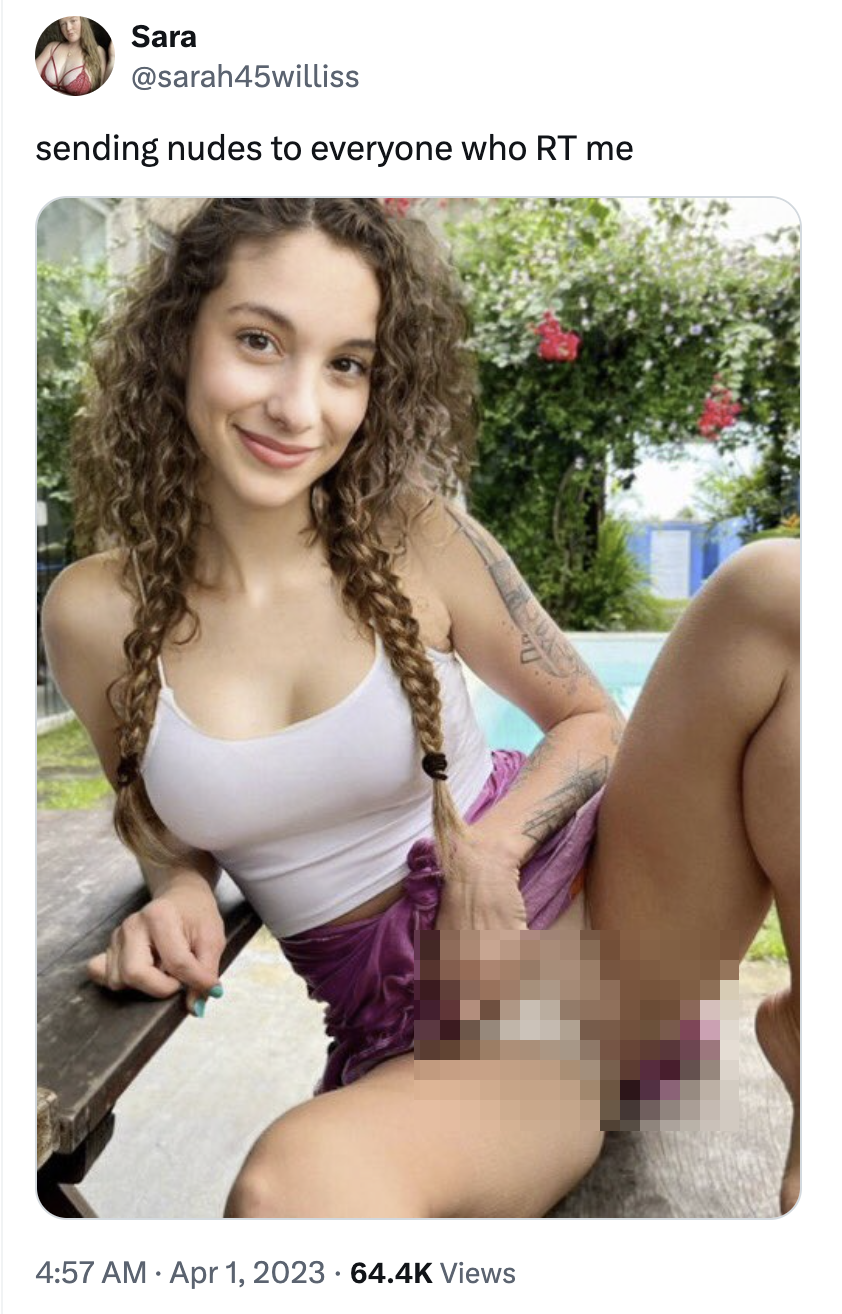
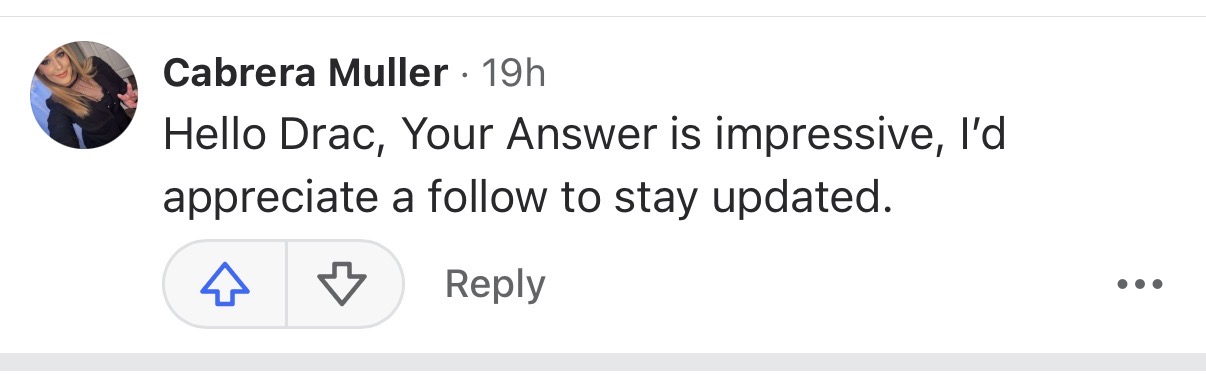
Scammers on social media need to get as many people as possible as quickly as possible to follow them, so they will often use flattery, trickery, or the lure of sexy photos.
They may flatter you into following them (“your posts are so smart and clever, please follow me so I can keep up”). They may offer nekkid photos (“I’ll DM nudes to anyone who likes and follows” or whatever).
Now, as I said, absence of these tells does not prove that a person is not a scammer. The presence of these tells will let you know that someone is a scammer, but some scammers are better than others, and some scammers manage to avoid these tells.
So how can you tell you’re dealing with a smart scammer?
They won’t call or video chat you, or if they do, the chat is very short and poor quality. There’s always a reason they can’t video chat, and it goes on day after day, week after week, month after month.
There’s a catastrophe, an emergency, a problem accessing money, always some reason they need your help. They have a sick mother/daughter/son/dog. They’re in a car wreck. They need a new computer. They can’t access their bank account because reasons.
They’ll take gift cards in lieu of cash. Gift cards cannot be refunded; you cannot get your money back. In places like Nigeria, they’re easy to sell.
I met a lover here on Quora. We started video chatting soon after we started talking, sometimes for hours. She invited me to a tabletop role-playing game she runs. We met in person.
Those things don’t happen with scammers. There’s always a reason why. The reason why might sound completely bizarre to an outside observer, but that doesn’t matter, because they’re counting on motivated reasoning.
A mark who is scammed by a romance scammer is usually desperately lonely and will give anything for human connection, and that’s exactly what the scammers prey on. A mark who is that lonely is not thinking critically. He is looking for reasons to believe, not reasons to disbelieve.
I’m thinking about writing a nonfiction book about Internet scams and frauds, how they work, and how not to get trapped by them, and how to reach people who are trapped by them, once my current nonfiction project is done and dusted. This will probably make it into that book if I ever write it.
I find it also helps to have a somewhat realistic view of yourself. Whenever I get catfish baits on either Facebook or Quora, I keep in mind that it’s unlikely that some hot young thing, with no relationship to anyone I know, out of the blue, thinks my sarcastic, smartass answer to a troll question (yeah, I’m one of THOSE) is really, really innnnnterested in a 60+ year old who’s shaped like a potato.
As always, though, very well written. I hope you eventually make this a book.
Now to be fair, some people are attracted to sarcastic potato-men. Frequently, they’re far more fun than the “I know my worth and it’s more than yours” type.